
Compactor Maintenance
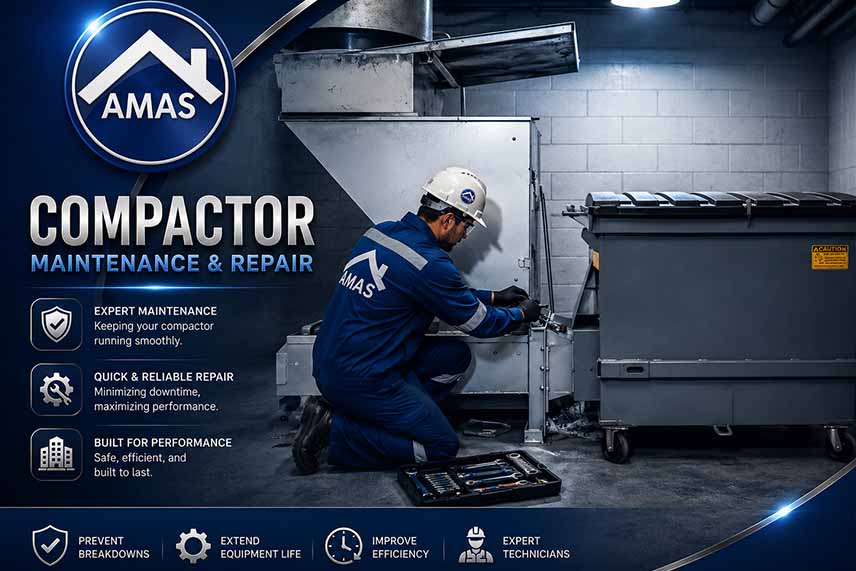
Compactor Maintenance
Compactor Maintenance UAE – The Complete Guide to Professional Waste Compactor Maintenance, Repair & AMC Services
Waste compactors are among the most important assets in modern waste management systems. Whether installed in residential towers, hotels, hospitals, shopping malls, factories, warehouses, or commercial facilities, these machines play a vital role in reducing waste volume, improving hygiene, lowering disposal costs, and ensuring efficient facility operations.
However, like any heavy-duty industrial equipment, waste compactors operate under demanding conditions. Continuous exposure to heavy loads, hydraulic pressure, moisture, dust, corrosive waste, and frequent operating cycles inevitably leads to wear and tear. Without regular Compactor Maintenance, even the most reliable equipment can suffer unexpected failures, costly downtime, safety hazards, and expensive repairs.
Professional preventive maintenance is therefore not merely a recommendation it is an operational necessity. A structured maintenance program helps facility managers maximize equipment reliability, extend service life, reduce emergency breakdowns, protect employees, comply with safety regulations, and optimize waste management efficiency.
Across the United Arab Emirates including Dubai, Abu Dhabi, Sharjah, Ajman, Al Ain, Ras Al Khaimah, Fujairah, and Umm Al Quwain organizations increasingly rely on specialized technical service providers to maintain their waste compaction systems according to international engineering standards and manufacturer recommendations.
As technical partners, AMAS SOLVEX TECHNICAL SERVICES and AL MASAR AL SAHEH BUILDING MAINTENANCE provide comprehensive compactor maintenance solutions, including preventive maintenance, emergency repairs, inspections, refurbishment, spare parts replacement, hydraulic repairs, electrical troubleshooting, annual maintenance contracts (AMC), and technical support for a wide range of commercial and industrial compactor systems.
This comprehensive guide has been prepared to help facility managers, property owners, maintenance engineers, consultants, and waste management professionals understand every critical aspect of Compactor Maintenance from equipment components and preventive maintenance schedules to troubleshooting methodologies, repair procedures, inspection checklists, and industry best practices.
Why Compactor Maintenance Matters
Modern facilities generate significant volumes of waste every day. Efficient waste handling depends heavily on the continuous operation of compactor systems. A single equipment failure can disrupt waste collection, create unpleasant odors, attract pests, increase health risks, and negatively impact the overall image of a property.
Routine maintenance ensures:
- Maximum operational reliability
- Safe equipment operation
- Reduced emergency breakdowns
- Lower maintenance costs
- Extended equipment lifespan
- Improved waste handling efficiency
- Compliance with health and safety regulations
- Enhanced environmental sustainability
Industry Overview
The UAE continues to invest heavily in smart cities, commercial developments, hospitality, healthcare, logistics, and industrial infrastructure. As these sectors expand, the demand for efficient waste management equipment has increased significantly.
Modern waste compactors are now widely used in:
- Residential towers
- Hotels
- Hospitals
- Shopping malls
- Airports
- Industrial facilities
- Manufacturing plants
- Warehouses
- Government buildings
- Educational institutions
- Waste transfer stations
With higher equipment utilization comes a greater need for professional maintenance strategies that minimize downtime while maximizing productivity.
Waste Management Challenges
Facility managers commonly face several operational challenges related to waste handling:
| Challenge | Operational Impact |
|---|---|
| Increasing waste volume | Higher collection frequency |
| Equipment downtime | Service interruption |
| Hydraulic failures | Reduced compaction force |
| Electrical faults | Unexpected shutdowns |
| Poor maintenance | Expensive emergency repairs |
| Safety risks | Increased accident potential |
| Environmental regulations | Compliance requirements |
| Rising operating costs | Reduced profitability |
Professional compactor maintenance directly addresses these challenges through systematic inspection, servicing, preventive repairs, and performance optimization.
Health & Safety
Compactors generate extremely high hydraulic forces capable of causing severe injuries if not properly maintained. Safety inspections are therefore essential to verify:
- Emergency stop functionality
- Door interlocks
- Safety guards
- Limit switches
- Hydraulic integrity
- Electrical insulation
- Warning indicators
- Operator controls
- Structural stability
- Lockout/Tagout readiness
Routine maintenance significantly reduces operational risks and helps facilities comply with recognized safety standards, including applicable ISO guidelines, OSHA principles, and OEM maintenance recommendations.
Operational Efficiency
A well-maintained compactor delivers consistent performance while reducing operating costs. Key operational benefits include:
- Faster waste processing
- Improved compaction ratios
- Lower energy consumption
- Reduced downtime
- Less manual waste handling
- Fewer emergency service calls
- Longer equipment lifespan
- Better asset utilization
Environmental Compliance
Properly maintained compactors contribute to environmental responsibility by:
- Reducing waste transportation frequency
- Lowering fuel consumption
- Minimizing landfill volume
- Preventing hydraulic oil leaks
- Reducing contamination risks
- Supporting sustainable waste management practices
Sustainability
Sustainability has become a strategic objective for facility owners across the UAE. Preventive maintenance supports environmental initiatives by extending equipment life, reducing material waste, optimizing energy efficiency, and ensuring reliable operation throughout the equipment lifecycle.
Quick Facts Box
| Item | Details |
|---|---|
| Primary Service | Compactor Maintenance |
| Equipment Type | Waste Compactors |
| Industries Served | Commercial, Industrial, Residential, Hospitality, Healthcare |
| Maintenance Types | Preventive, Corrective, Predictive |
| Emergency Support | Available |
| AMC Programs | Yes |
| Inspection Services | Yes |
| Hydraulic Repairs | Yes |
| Electrical Repairs | Yes |
| Spare Parts | OEM & High-Quality Compatible Parts |
| UAE Coverage | Dubai, Abu Dhabi, Sharjah, Ajman, Al Ain, Fujairah, Ras Al Khaimah, Umm Al Quwain |
Table of Contents
- What is Compactor Maintenance?
- How a Waste Compactor Works
- Main Functions of a Waste Compactor
- Types of Waste Compactors
- Maintenance Objectives
- Equipment Life Cycle
- Complete Anatomy of a Waste Compactor
- Why Preventive Maintenance Matters
- Common Compactor Problems
- Preventive Maintenance Process
- Maintenance Checklists
- Inspection Procedures
- Repair Guide
- Spare Parts Guide
- Warning Signs
- Industries We Serve
- Benefits of Professional Maintenance
- Why Choose AMAS SOLVEX & AL MASAR AL SAHEH
- UAE Service Coverage
- FAQs
- Maintenance Cost Factors
- Expert Maintenance Tips
- Latest Industry Trends
- Case Study
- Conclusion
- Contact Our Experts
What is Compactor Maintenance?
Compactor Maintenance is the systematic process of inspecting, servicing, testing, adjusting, cleaning, lubricating, repairing, and replacing components of a waste compactor to ensure safe, efficient, and reliable operation throughout its service life.
Unlike reactive maintenance, which addresses failures only after they occur, professional compactor maintenance follows a structured preventive approach. This includes scheduled inspections, performance evaluations, hydraulic system servicing, electrical testing, mechanical adjustments, and proactive replacement of worn components before they lead to unexpected breakdowns.
A comprehensive maintenance program typically covers:
- Visual inspections
- Hydraulic system maintenance
- Electrical diagnostics
- Mechanical servicing
- Lubrication
- Cleaning procedures
- Safety verification
- Performance testing
- Spare parts replacement
- Preventive repairs
- Documentation and reporting
The primary objectives of compactor maintenance are to maximize equipment availability, reduce lifecycle costs, improve operator safety, ensure regulatory compliance, and support efficient waste management operations.
How a Waste Compactor Works
Understanding how a waste compactor operates is essential for implementing an effective maintenance strategy. Every compactor, regardless of its type or capacity, follows the same fundamental operating principle: it uses hydraulic or mechanical force to compress waste materials into a smaller volume, reducing collection frequency, transportation costs, and storage space.
Although the compaction cycle appears simple from the outside, it involves a complex interaction between hydraulic, electrical, mechanical, and safety systems.
Step 1: Waste Loading
The process begins when waste is deposited into the loading hopper. Depending on the facility, waste may be introduced manually, via garbage chutes, conveyor systems, bins, or automated loading equipment.
At this stage, operators should ensure that:
- Waste is evenly distributed.
- Oversized objects are not introduced.
- Hazardous materials are excluded unless specifically designed for such applications.
- The loading door closes correctly before operation begins.
Step 2: Safety Verification
Before the machine starts, several safety devices verify operating conditions.
Typical safety checks include:
- Door interlock switches
- Emergency stop circuit
- Limit switches
- PLC safety logic
- Overload protection
- Motor protection relay
- Hydraulic pressure monitoring
If any safety device detects an abnormal condition, the compactor will not initiate the cycle.
Step 3: Hydraulic System Activation
Once safety conditions are satisfied, the electric motor powers the hydraulic pump.
The hydraulic pump draws oil from the reservoir and generates pressurized hydraulic fluid.
The pressurized oil flows through:
- Hydraulic valves
- Pressure regulators
- Flow control valves
- Hydraulic hoses
- Directional valves
This hydraulic energy produces the enormous force required for compaction.
Step 4: Ram Movement
The hydraulic cylinder extends, pushing the compaction ram forward.
The ram compresses waste against the container or chamber wall.
Depending on the machine type, compaction forces may exceed several hundred tonnes.
Proper ram alignment is critical because misalignment can lead to:
- Cylinder damage
- Seal failure
- Increased friction
- Structural stress
- Uneven compaction
- Premature wear
Step 5: Waste Compression
The waste is compressed into a dense block.
The benefits include:
- Reduced waste volume
- Increased container capacity
- Lower transport costs
- Improved hygiene
- Reduced odour
- Fewer collection trips
Step 6: Return Stroke
After reaching maximum pressure, the hydraulic valve redirects oil back to the reservoir.
The hydraulic cylinder retracts.
The ram returns to its original position, ready for the next cycle.
Step 7: Cycle Completion
The PLC records the completed cycle and resets the control system.
Modern compactors may also record:
- Cycle count
- Operating hours
- Hydraulic pressure
- Fault history
- Motor running time
- Maintenance reminders
These operational records are valuable for preventive maintenance planning.
Main Functions of a Waste Compactor
A waste compactor performs much more than simply compressing rubbish. It contributes significantly to operational efficiency, health and safety, sustainability, and facility management.
Its primary functions include:
| Function | Benefit |
|---|---|
| Waste volume reduction | Less storage space required |
| Improved hygiene | Cleaner waste areas |
| Odour reduction | Better environmental conditions |
| Pest control | Fewer insects and rodents |
| Transportation efficiency | Reduced waste collection frequency |
| Labour savings | Less manual handling |
| Environmental sustainability | Lower carbon emissions |
| Cost reduction | Reduced waste disposal expenses |
| Workplace safety | Cleaner and safer loading areas |
| Operational continuity | Reliable waste management |
Types of Compactors
Selecting the appropriate maintenance strategy begins with understanding the different types of compactors. Each design has unique operating characteristics, wear patterns, maintenance requirements, and common failure points.
Stationary Compactors
Stationary compactors consist of a permanently installed compaction unit connected to a detachable waste container.
Typical Applications
- Shopping malls
- Residential towers
- Distribution centres
- Airports
- Hospitals
Advantages
- Large waste capacity
- Lower transport costs
- Easy container replacement
- Suitable for high-volume waste
Maintenance Focus
- Hydraulic cylinders
- Ram guides
- Door mechanisms
- Hydraulic hoses
- PLC controls
Portable Compactors
Portable compactors integrate the compaction chamber and waste container into a single unit.
They are widely used where liquid waste or food waste is generated.
Common Applications
- Hotels
- Restaurants
- Food processing plants
- Hospitals
Maintenance Priorities
- Leak prevention
- Door seals
- Hydraulic pumps
- Corrosion protection
- Electrical control systems
Vertical Compactors
Vertical compactors compress waste vertically using an upward or downward moving ram.
They occupy less floor space and are commonly installed in facilities with limited room.
Advantages
- Compact footprint
- Simple operation
- Lower installation cost
Typical Maintenance
- Cylinder inspection
- Safety interlocks
- Ram guides
- Door locking systems
Horizontal Compactors
Horizontal compactors are designed for continuous waste processing.
They are widely used in recycling facilities and industrial operations.
Advantages
- High throughput
- Continuous operation
- Automated feeding
Maintenance Requirements
- Conveyor systems
- Hydraulic pumps
- Bearings
- Gearboxes
- PLC systems
- Electrical motors
Pre-Crusher Compactors
Pre-crusher compactors crush bulky waste before final compaction.
Typical materials include:
- Wooden pallets
- Furniture
- Cardboard
- Large packaging
- Industrial waste
Because of the extreme forces involved, maintenance focuses heavily on structural integrity and hydraulic performance.
Self-Contained Compactors
These compactors are specifically designed for wet waste.
Commonly installed at:
- Hotels
- Restaurants
- Supermarkets
- Food courts
- Hospitals
Their sealed design helps prevent liquid leakage.
Maintenance priorities include:
- Door seals
- Corrosion inspection
- Hydraulic hoses
- Oil contamination
- Container integrity
Industrial Compactors
Industrial compactors are engineered for continuous heavy-duty operation.
Typical industries include:
- Manufacturing
- Warehousing
- Logistics
- Distribution centres
- Recycling facilities
Maintenance programs are generally more intensive due to higher operating cycles.
Commercial Waste Compactors
Commercial compactors are found in:
- Shopping centres
- Office buildings
- Hotels
- Mixed-use developments
- Residential communities
Preventive maintenance usually focuses on:
- Reliability
- Safety
- Cleanliness
- Reduced downtime
Recycling Compactors
These machines compress recyclable materials such as:
- Cardboard
- Plastic
- Aluminium
- Paper
- Packaging materials
Maintenance includes:
- Conveyor inspections
- Sensor calibration
- Bale chamber inspection
- Hydraulic servicing
Hospital Waste Compactors
Healthcare facilities require specialized compactors designed to manage clinical and non-clinical waste safely.
Maintenance emphasizes:
- Infection control
- Leak prevention
- Sealed hydraulic systems
- Operator safety
- Regulatory compliance
Hotel Waste Compactors
Hotels produce substantial volumes of food waste, packaging, and general refuse.
Maintenance objectives include:
- Odour prevention
- Quiet operation
- Reliable daily service
- Reduced downtime during peak occupancy
- Efficient waste handling
Maintenance Objectives
Professional compactor maintenance is built around several key engineering objectives that extend beyond repairing faults.
The primary objectives include:
1. Maximising Equipment Availability
A well-maintained compactor spends more time operating and less time out of service due to unexpected failures.
2. Extending Equipment Life
Routine inspections, lubrication, and timely replacement of worn components significantly increase the lifespan of hydraulic, electrical, and mechanical systems.
3. Improving Operational Safety
Regular maintenance verifies the integrity of emergency stops, safety guards, interlocks, limit switches, and control systems to minimise operational risks.
4. Reducing Lifecycle Costs
Preventive maintenance helps identify minor issues before they develop into major failures, reducing repair expenses and extending component life.
5. Maintaining Hydraulic Performance
Hydraulic systems require clean oil, correct pressure, and leak-free components to deliver consistent compaction force and reliable operation.
6. Ensuring Electrical Reliability
Routine electrical inspections help prevent faults caused by loose connections, overheating, moisture ingress, and component wear.
7. Supporting Environmental Compliance
Proper maintenance reduces the risk of hydraulic oil leaks, equipment malfunctions, and waste management disruptions, supporting environmental and regulatory requirements.
Equipment Life Cycle
Every waste compactor progresses through a predictable life cycle. Understanding these stages enables facility managers to plan maintenance proactively and optimise long-term asset performance.
| Life Cycle Stage | Description | Maintenance Priority |
|---|---|---|
| Installation & Commissioning | Initial setup and testing | Baseline inspections and calibration |
| Early Operation | Stable performance with minimal wear | Routine inspections and lubrication |
| Normal Service Life | Peak operational period | Preventive maintenance, periodic servicing, and condition monitoring |
| Ageing Equipment | Increased wear and reduced efficiency | More frequent inspections, component replacement, and refurbishment |
| End of Service Life | High failure rate and declining performance | Major overhaul, refurbishment, or replacement planning |
By tailoring maintenance activities to each stage of the equipment life cycle, organisations can maximise reliability, reduce downtime, and achieve the best return on their investment.
Complete Anatomy of a Waste Compactor
A waste compactor is a sophisticated piece of industrial equipment that combines hydraulic power, electrical control, mechanical engineering, and multiple safety systems into a single integrated machine. Understanding the function of each component helps maintenance engineers diagnose faults more accurately, improve preventive maintenance programmes, and extend equipment service life.
1. Hydraulic Power Unit (HPU)
The Hydraulic Power Unit is the heart of the hydraulic system. It generates the hydraulic energy required to operate the compactor by converting electrical power into hydraulic pressure.
Main Components
- Hydraulic oil reservoir
- Electric motor
- Hydraulic pump
- Pressure relief valve
- Return filters
- Suction filters
- Pressure gauges
- Oil cooler (where applicable)
Maintenance Requirements
- Check hydraulic oil level
- Inspect for oil leaks
- Replace filters according to service schedule
- Clean reservoir ventilation
- Inspect mounting bolts
- Monitor operating temperature
- Test hydraulic pressure
Common Problems
- Low pressure
- Overheating
- Oil contamination
- Pump cavitation
- Excessive vibration
2. Hydraulic Cylinders
Hydraulic cylinders generate the force that moves the ram during the compaction cycle.
Main Components
- Cylinder barrel
- Piston
- Piston rod
- Rod seal
- Wear rings
- End caps
- Rod bearings
Maintenance
- Inspect chrome rod
- Check seal condition
- Verify mounting alignment
- Monitor oil leakage
- Test operating pressure
Common Failures
- Rod scoring
- Internal leakage
- Seal wear
- Bent rod
- Cylinder drift
3. Hydraulic Hoses
Hydraulic hoses transport pressurised oil between hydraulic components.
Inspection Items
- Surface cracks
- Abrasion
- Bulging
- Oil leakage
- Loose fittings
- Twisting
- Age-related deterioration
Replacement Indicators
- External damage
- Swelling
- Fluid seepage
- Damaged fittings
- Expired service life
4. Hydraulic Valves
Hydraulic valves regulate pressure, direction, and flow throughout the hydraulic circuit.
Valve Types
- Directional valves
- Pressure relief valves
- Flow control valves
- Check valves
- Solenoid valves
Maintenance
- Inspect for leakage
- Clean valve body
- Verify operating pressure
- Test solenoid coils
- Remove contamination
5. Hydraulic Oil
Hydraulic oil is both the transmission medium and lubricant for the hydraulic system.
Oil Quality Checks
- Colour
- Odour
- Viscosity
- Water contamination
- Metal particles
- Foam formation
Maintenance Schedule
- Routine sampling
- Laboratory analysis (where applicable)
- Oil replacement
- Filter replacement
6. Electric Motor
The electric motor drives the hydraulic pump.
Inspection Checklist
- Current draw
- Bearing noise
- Vibration
- Temperature
- Terminal connections
- Insulation resistance
Common Problems
- Overheating
- Bearing failure
- Moisture ingress
- Loose wiring
- Rotor imbalance
7. Gearbox (If Installed)
Some heavy-duty compactors incorporate gearboxes to transmit mechanical power efficiently.
Maintenance
- Oil level inspection
- Bearing lubrication
- Gear wear inspection
- Shaft alignment
- Seal inspection
8. Control Panel
The control panel is the operator's interface with the machine.
Components
- Main breaker
- Contactors
- Relays
- PLC
- HMI display
- Indicator lamps
- Push buttons
- Emergency stop circuit
Routine Inspection
- Tighten electrical terminals
- Clean dust
- Inspect cooling fans
- Verify alarms
- Functional testing
9. PLC System
Modern compactors use Programmable Logic Controllers (PLC) to automate machine operation.
Functions
- Sequence control
- Fault monitoring
- Safety interlocks
- Cycle counting
- Diagnostics
- Alarm history
Maintenance
- Backup program
- Verify inputs
- Verify outputs
- Test communication
- Update software where approved
10. Electrical Components
The electrical system powers and controls the entire compactor.
Components
- Circuit breakers
- Contactors
- Overload relays
- Terminal blocks
- Transformers
- Power supplies
- Fuses
- Wiring
Preventive Maintenance
- Thermal inspection
- Tighten terminals
- Replace damaged cables
- Clean panel
- Test insulation
11. Sensors
Sensors continuously monitor machine conditions.
Common Sensors
- Position sensors
- Pressure sensors
- Door sensors
- Proximity sensors
- Temperature sensors
Inspection
- Cleaning
- Alignment
- Signal verification
- Cable inspection
12. Emergency Stop System
Emergency Stop (E-Stop) buttons provide immediate machine shutdown during emergencies.
Maintenance
- Functional testing
- Wiring inspection
- Mechanical operation
- Reset verification
13. Limit Switches
Limit switches determine ram position and control operating sequences.
Common Problems
- Mechanical wear
- Broken actuator
- Loose mounting
- Incorrect adjustment
Inspection
- Functional testing
- Position verification
- Electrical continuity
14. Safety Guards
Safety guards protect operators from moving parts.
Inspection
- Damage
- Secure mounting
- Corrosion
- Proper positioning
Never operate a compactor with missing or damaged safety guards.
15. Compaction Chamber
The compaction chamber withstands enormous forces during operation.
Inspection Points
- Cracks
- Corrosion
- Weld integrity
- Deformation
- Structural fatigue
16. Ram
The ram is responsible for physically compressing waste.
Inspection
- Surface wear
- Alignment
- Weld condition
- Structural damage
- Guide wear
Common Failures
- Bent ram
- Misalignment
- Excessive wear
- Cracking
17. Waste Container
The container stores compacted waste until collection.
Inspection
- Structural integrity
- Door sealing
- Corrosion
- Locking mechanisms
- Container alignment
18. Loading Hopper
The loading hopper receives waste before compaction.
Maintenance
- Remove debris
- Inspect welds
- Verify door operation
- Check corrosion
19. Feed Door
The feed door is a critical safety component.
Inspection
- Hinges
- Locks
- Door seals
- Alignment
- Interlock switches
20. Discharge Door
Allows safe removal of compacted waste.
Maintenance
- Seal inspection
- Lock testing
- Structural inspection
- Corrosion protection
21. Bearings
Bearings support rotating shafts and moving assemblies.
Maintenance
- Lubrication
- Temperature monitoring
- Noise inspection
- Replacement before failure
22. Chains
Chains transfer movement in some compactor designs.
Inspection
- Wear
- Stretch
- Lubrication
- Alignment
23. Rollers
Rollers guide moving assemblies.
Maintenance
- Lubrication
- Wear inspection
- Alignment
- Bearing condition
24. Cooling System
Heavy-duty compactors may include oil cooling systems.
Inspection
- Cooling fan
- Radiator cleanliness
- Oil temperature
- Coolant flow
25. Lubrication System
Proper lubrication significantly reduces mechanical wear.
Lubrication Points
- Bearings
- Hinges
- Rollers
- Pivot pins
- Chains
- Ram guides
Always use lubricants recommended by the equipment manufacturer.
26. Electrical Wiring
Electrical wiring distributes power and signals throughout the compactor.
Inspection
- Cable insulation
- Loose connections
- Cable routing
- Moisture damage
- Abrasion
27. Safety Interlocks
Safety interlocks prevent unsafe machine operation.
Typical Interlocks
- Feed door
- Service access panels
- Waste container position
- Hydraulic pressure
- Emergency stop circuit
28. Accessories
Depending on the compactor model, additional accessories may include:
- Bin lifting systems
- Automatic loading devices
- Odour control systems
- Remote monitoring modules
- GSM alarm systems
- IoT monitoring devices
- Oil heaters
- Fire suppression interfaces
These accessories should be incorporated into the preventive maintenance programme and inspected according to manufacturer recommendations.
Expert Insight
A comprehensive preventive maintenance programme should evaluate every major hydraulic, electrical, mechanical, and structural component—not just the parts directly involved in compaction. Many costly failures originate from small issues such as contaminated hydraulic oil, loose electrical terminals, worn seals, or misaligned sensors. Early detection through systematic inspection is one of the most effective ways to maximise equipment reliability, reduce unplanned downtime, and extend the operational life of a waste compactor.
Why Compactor Maintenance is Critical
Professional Compactor Maintenance is not simply about repairing equipment after a failure. It is a proactive engineering strategy that ensures reliability, safety, regulatory compliance, and long-term cost efficiency. In commercial buildings, hotels, hospitals, industrial facilities, and residential communities, even a short period of downtime can disrupt waste management operations, create hygiene concerns, and increase operating expenses.
A structured preventive maintenance programme helps organisations avoid these challenges while maximizing the performance and lifespan of their waste compaction equipment.
1. Operational Reliability
Waste compactors often operate multiple times every day under heavy loads. Routine inspections and servicing help ensure consistent performance and minimise unexpected breakdowns.
Benefits
- Continuous operation
- Reduced service interruptions
- Improved productivity
- Higher equipment availability
- Better waste handling efficiency
2. Equipment Safety
Compactors generate extremely high hydraulic forces. Without proper maintenance, worn components or malfunctioning safety devices can create serious hazards for operators and maintenance personnel.
Routine maintenance verifies:
- Emergency stop functionality
- Safety interlocks
- Door locking systems
- Limit switches
- Warning indicators
- Hydraulic integrity
- Electrical protection devices
3. Hydraulic Performance
The hydraulic system is the powerhouse of every compactor. Contaminated oil, leaking hoses, worn seals, or damaged cylinders reduce compaction force and accelerate equipment wear.
Preventive maintenance includes:
- Oil sampling
- Pressure testing
- Filter replacement
- Hose inspection
- Cylinder inspection
- Pump performance testing
4. Electrical Safety
Modern compactors rely on sophisticated electrical and PLC control systems.
Routine inspections reduce the risk of:
- Electrical short circuits
- Motor failures
- PLC faults
- Loose wiring
- Control panel overheating
- Unexpected shutdowns
5. Cost Reduction
Preventive maintenance costs significantly less than emergency repairs.
A scheduled maintenance programme helps reduce:
- Emergency call-outs
- Spare parts consumption
- Equipment replacement costs
- Labour expenses
- Downtime losses
6. Downtime Prevention
Unexpected equipment failures can halt waste disposal operations, resulting in overflowing waste areas, unpleasant odours, pest infestations, and dissatisfied occupants.
Preventive servicing helps identify issues before they develop into operational failures.
7. Waste Management Efficiency
A properly maintained compactor achieves:
- Higher compaction ratios
- Faster operating cycles
- Lower energy consumption
- Reduced waste transportation frequency
- Cleaner waste collection areas
8. Environmental Compliance
Maintained equipment reduces environmental risks by preventing:
- Hydraulic oil leaks
- Waste overflow
- Fluid contamination
- Unsafe waste handling
9. Equipment Longevity
Routine lubrication, alignment, cleaning, inspections, and component replacement significantly extend equipment service life.
Many compactors exceed 15–20 years of reliable operation when maintained correctly.
10. Facility Reputation
Reliable waste management contributes directly to:
- Cleaner premises
- Better tenant satisfaction
- Improved hotel guest experience
- Enhanced hospital hygiene
- Professional facility appearance
Common Compactor Problems
The following are among the most common faults encountered during waste compactor maintenance. Each issue includes symptoms, likely causes, associated risks, recommended solutions, and preventive measures.
1. Hydraulic Oil Leakage
Symptoms
- Oil around hoses or cylinders
- Low oil level
- Reduced compaction force
- Oil stains beneath equipment
Causes
- Damaged seals
- Worn hoses
- Loose fittings
- Cracked hydraulic components
Risks
- Hydraulic failure
- Environmental contamination
- Fire hazards
- Equipment damage
Solution
- Replace damaged seals
- Tighten fittings
- Replace defective hoses
- Refill hydraulic oil
Preventive Measures
- Weekly leak inspections
- Scheduled hose replacement
- Regular seal inspection
2. Low Hydraulic Pressure
Symptoms
- Weak compaction
- Slow ram movement
- Incomplete cycles
Causes
- Worn hydraulic pump
- Internal leakage
- Relief valve malfunction
- Low oil level
Risks
- Poor waste compaction
- Pump damage
- Increased operating time
Solution
- Pressure testing
- Pump repair
- Valve adjustment
- Oil replacement
Preventive Measures
- Monitor operating pressure
- Replace filters
- Maintain oil cleanliness
3. Hydraulic Cylinder Failure
Symptoms
- Ram drifting
- Oil leakage
- Uneven movement
- Loss of force
Causes
- Seal wear
- Bent piston rod
- Internal scoring
- Contaminated oil
Risks
- Equipment downtime
- Structural damage
- Reduced compaction
Solution
- Cylinder overhaul
- Seal replacement
- Rod repair or replacement
Preventive Measures
- Routine cylinder inspection
- Oil analysis
- Alignment checks
4. Electric Motor Overheating
Symptoms
- High motor temperature
- Burning smell
- Thermal overload trips
- Reduced performance
Causes
- Overloading
- Poor ventilation
- Bearing wear
- Voltage imbalance
Risks
- Motor burnout
- Production stoppage
- Fire hazards
Solution
- Bearing replacement
- Cooling system inspection
- Electrical testing
Preventive Measures
- Monitor motor temperature
- Clean cooling vents
- Inspect electrical supply
5. Control Panel Failure
Symptoms
- Machine not starting
- Alarm indications
- Random shutdowns
- Display errors
Causes
- Loose wiring
- Failed relays
- Moisture
- Component ageing
Risks
- Complete equipment shutdown
- Safety issues
Solution
- Electrical diagnostics
- Component replacement
- Panel cleaning
Preventive Measures
- Quarterly panel inspection
- Thermal scanning
- Tightening electrical terminals
6. PLC Faults
Symptoms
- Incorrect operating sequence
- Sensor errors
- Fault alarms
- Unexpected stoppages
Causes
- Software corruption
- Power fluctuations
- Damaged input/output modules
Risks
- Loss of automation
- Production delays
Solution
- PLC diagnostics
- Program restoration
- Module replacement
Preventive Measures
- Regular PLC backups
- Stable power supply
- Environmental protection
7. Ram Misalignment
Symptoms
- Uneven movement
- Excessive wear
- Noise during operation
Causes
- Structural deformation
- Worn guides
- Loose mounting
Risks
- Cylinder damage
- Increased friction
- Structural failure
Solution
- Realignment
- Guide replacement
- Structural repair
Preventive Measures
- Routine alignment inspections
- Lubrication
- Guide maintenance
8. Door Malfunction
Symptoms
- Door not closing
- Safety lock failure
- Leakage
- Interlock alarms
Causes
- Bent hinges
- Worn locks
- Corrosion
- Damaged interlocks
Risks
- Unsafe operation
- Machine shutdown
Solution
- Hinge repair
- Lock replacement
- Door alignment
Preventive Measures
- Lubricate hinges
- Inspect locking mechanisms
- Test interlocks regularly
9. Sensor Failure
Symptoms
- False alarms
- Incorrect positioning
- Cycle interruption
Causes
- Dirt accumulation
- Misalignment
- Damaged cables
- Electrical faults
Risks
- Unplanned downtime
- Safety concerns
Solution
- Sensor cleaning
- Calibration
- Replacement
Preventive Measures
- Regular cleaning
- Functional testing
- Cable inspection
10. Limit Switch Problems
Symptoms
- Ram stopping early
- Cycle not completing
- PLC alarms
Causes
- Mechanical wear
- Loose mounting
- Damaged actuator
Risks
- Equipment malfunction
- Reduced productivity
Solution
- Adjust switch position
- Replace damaged switches
Preventive Measures
- Scheduled testing
- Alignment verification
Expert Maintenance Tip
Field experience shows that more than 70% of unexpected compactor failures begin as minor issues such as small hydraulic leaks, loose electrical connections, contaminated oil, or misaligned sensors. Detecting and correcting these problems during routine inspections can prevent major breakdowns, reduce repair costs, and significantly extend equipment life.
11. Electrical Short Circuit
Symptoms
- Circuit breaker trips immediately
- Burning smell from the control panel
- Smoke or sparks
- Machine fails to start
- Frequent fuse failures
Causes
- Damaged cable insulation
- Moisture inside the electrical panel
- Loose terminal connections
- Worn electrical components
- Overloaded circuits
Risks
- Fire hazards
- Damage to PLC and electrical equipment
- Extended downtime
- Safety risks for operators
Solution
- Isolate the power supply immediately
- Locate the faulty circuit
- Replace damaged wiring
- Dry and clean the electrical enclosure
- Perform insulation resistance testing before restarting
Preventive Measures
- Quarterly electrical inspections
- Thermal imaging of electrical panels
- Tightening of electrical terminals
- Maintain panel IP protection
12. Hydraulic Hose Damage
Symptoms
- Oil leakage
- Bulging hose surface
- Cracked outer cover
- Pressure loss
- Slow ram movement
Causes
- Ageing
- High operating pressure
- Abrasion
- Incorrect routing
- Excessive vibration
Risks
- Sudden hose burst
- Hydraulic oil contamination
- Equipment shutdown
- Environmental pollution
Solution
- Replace damaged hoses with OEM-approved specifications
- Secure hose routing
- Replace damaged fittings
Preventive Measures
- Monthly hose inspection
- Protect hoses from abrasion
- Replace hoses nearing end of service life
13. Hydraulic Oil Contamination
Symptoms
- Slow hydraulic response
- Noisy pump
- Valve sticking
- Increased operating temperature
- Reduced compaction force
Causes
- Water ingress
- Dirt contamination
- Metal particles
- Oxidized oil
- Poor maintenance practices
Risks
- Pump failure
- Valve damage
- Seal deterioration
- Reduced system life
Solution
- Replace hydraulic oil
- Replace filters
- Flush the hydraulic system
- Conduct oil analysis
Preventive Measures
- Scheduled oil sampling
- Keep reservoir sealed
- Use clean filling equipment
14. Hydraulic Pump Failure
Symptoms
- No hydraulic pressure
- Loud whining noise
- Excessive heat
- Slow machine operation
Causes
- Oil contamination
- Cavitation
- Lack of lubrication
- Excessive wear
Risks
- Complete machine shutdown
- Damage to hydraulic components
Solution
- Replace or overhaul the hydraulic pump
- Flush contaminated oil
- Replace filters
Preventive Measures
- Maintain proper oil level
- Replace filters regularly
- Monitor operating pressure
15. Bearing Wear
Symptoms
- Grinding noise
- Excessive vibration
- Increased temperature
- Shaft movement
Causes
- Insufficient lubrication
- Misalignment
- Dirt contamination
- Heavy loading
Risks
- Motor failure
- Gearbox damage
- Unexpected shutdown
Solution
- Replace bearings
- Correct alignment
- Lubricate according to schedule
Preventive Measures
- Grease bearings at recommended intervals
- Monitor vibration
- Check bearing temperatures
16. Chain Wear
Symptoms
- Slack chain
- Uneven movement
- Noise during operation
- Chain jumping
Causes
- Poor lubrication
- Misalignment
- Excessive loading
- Normal wear
Risks
- Chain failure
- Equipment damage
- Downtime
Solution
- Adjust chain tension
- Replace worn chains
- Lubricate correctly
Preventive Measures
- Weekly inspection
- Routine lubrication
- Alignment verification
17. Roller Damage
Symptoms
- Ram vibration
- Uneven movement
- Increased friction
- Noise
Causes
- Bearing wear
- Lack of lubrication
- Misalignment
- Excessive loading
Risks
- Guide damage
- Increased wear
- Reduced operating efficiency
Solution
- Replace rollers
- Inspect bearings
- Lubricate moving parts
Preventive Measures
- Routine lubrication
- Alignment inspection
- Replace worn rollers early
18. Excessive Vibration
Symptoms
- Machine shaking
- Loud operation
- Fastener loosening
- Structural movement
Causes
- Worn bearings
- Misalignment
- Loose bolts
- Motor imbalance
Risks
- Structural damage
- Component fatigue
- Equipment failure
Solution
- Perform vibration analysis
- Balance rotating equipment
- Tighten fasteners
- Replace damaged bearings
Preventive Measures
- Monthly vibration monitoring
- Torque checks
- Alignment inspections
19. Abnormal Noise
Symptoms
- Grinding
- Knocking
- Squealing
- Hydraulic whining
Causes
- Dry bearings
- Loose components
- Worn gears
- Hydraulic cavitation
Risks
- Major component failure
- Increased repair costs
Solution
- Identify noise source
- Replace damaged parts
- Lubricate moving components
Preventive Measures
- Daily operator observation
- Scheduled lubrication
- Routine inspections
20. Container Misalignment
Symptoms
- Difficulty connecting container
- Waste leakage
- Door not sealing
- Uneven compaction
Causes
- Structural movement
- Damaged guides
- Incorrect installation
Risks
- Hydraulic damage
- Waste spillage
- Safety hazards
Solution
- Realign container
- Repair guide rails
- Inspect structural supports
Preventive Measures
- Regular alignment checks
- Container inspection after transportation
21. Emergency Stop Failure
Symptoms
- E-Stop button not functioning
- Machine continues operating after activation
- PLC alarm
Causes
- Damaged contacts
- Wiring faults
- Mechanical failure
Risks
- Serious safety hazards
- Regulatory non-compliance
Solution
- Replace faulty E-Stop device
- Test safety circuit
- Verify PLC safety logic
Preventive Measures
- Weekly functional testing
- Inspection during every maintenance visit
22. Power Supply Problems
Symptoms
- Machine will not start
- Voltage alarms
- Motor trips
- Flickering indicators
Causes
- Voltage fluctuations
- Loose electrical connections
- Utility supply issues
- Damaged breakers
Risks
- Motor damage
- PLC malfunction
- Equipment downtime
Solution
- Verify incoming voltage
- Tighten electrical connections
- Replace faulty breakers
Preventive Measures
- Electrical inspections
- Power quality monitoring
- Surge protection
23. Equipment Overloading
Symptoms
- Slow compaction
- Hydraulic overload alarms
- Motor overheating
- Frequent trips
Causes
- Excessive waste volume
- Improper loading
- Bulky materials
Risks
- Structural damage
- Hydraulic failure
- Reduced equipment life
Solution
- Remove excess waste
- Train operators
- Follow loading capacity limits
Preventive Measures
- Display maximum loading guidelines
- Operator training
- Routine supervision
24. Corrosion
Symptoms
- Rust formation
- Paint peeling
- Metal deterioration
- Structural weakness
Causes
- Moisture
- Chemical exposure
- Poor drainage
- Coastal environments
Risks
- Structural failure
- Reduced equipment lifespan
Solution
- Remove corrosion
- Apply protective coating
- Replace severely damaged sections
Preventive Measures
- Regular cleaning
- Protective painting
- Corrosion inspections
25. Rust
Symptoms
- Surface oxidation
- Flaking metal
- Reduced appearance
Causes
- Water exposure
- Damaged paint
- Humidity
Risks
- Accelerated corrosion
- Structural deterioration
Solution
- Sand affected areas
- Apply anti-corrosion primer
- Repaint
Preventive Measures
- Routine washing
- Protective coatings
- Environmental inspections
26. Loose Fasteners
Symptoms
- Vibration
- Noise
- Component movement
Causes
- Continuous operation
- Poor installation
- Lack of torque verification
Risks
- Structural failure
- Misalignment
- Equipment damage
Solution
- Retorque all critical fasteners
- Replace damaged bolts and nuts
Preventive Measures
- Torque inspections during every preventive maintenance visit
27. Broken Welds
Symptoms
- Visible cracks
- Structural movement
- Metal separation
Causes
- Fatigue
- Overloading
- Corrosion
- Poor-quality repairs
Risks
- Structural collapse
- Major equipment failure
Solution
- Certified welding repair
- Non-destructive testing (NDT)
- Structural reinforcement if required
Preventive Measures
- Routine structural inspections
- Early crack detection
28. Safety Device Failure
Symptoms
- Interlocks not working
- Alarms bypassed
- Safety indicators inactive
Causes
- Electrical faults
- Mechanical wear
- Improper modifications
Risks
- Serious operator injuries
- Legal liability
- Equipment damage
Solution
- Restore original safety systems
- Replace defective devices
- Perform functional safety testing
Preventive Measures
- Never bypass safety devices
- Verify safety circuits during every inspection
29. Structural Damage
Symptoms
- Bent frame
- Cracked supports
- Misaligned components
Causes
- Impact damage
- Overloading
- Long-term fatigue
- Corrosion
Risks
- Equipment instability
- Unsafe operation
Solution
- Structural assessment
- Welding repairs
- Component replacement
Preventive Measures
- Annual structural inspections
- Adhere to load limits
30. Unexpected Shutdown
Symptoms
- Machine stops during operation
- PLC fault messages
- Motor trips
- Hydraulic pressure loss
Causes
- Electrical faults
- Sensor failures
- Overheating
- Hydraulic issues
- PLC errors
Risks
- Operational disruption
- Waste accumulation
- Increased repair costs
Solution
- Perform systematic fault diagnosis
- Identify the root cause
- Repair defective components
- Test the complete operating cycle before returning the compactor to service
Preventive Measures
- Implement a comprehensive preventive maintenance programme
- Monitor machine performance trends
- Record and analyse recurring faults
- Schedule periodic inspections and condition monitoring
Expert Troubleshooting Methodology
Experienced field engineers rarely replace components based solely on symptoms. Instead, they follow a structured diagnostic process:
- Verify the reported fault by observing the equipment during operation.
- Review alarm history from the PLC or control panel.
- Perform a visual inspection of hydraulic, electrical, and mechanical systems.
- Measure key operating parameters, including hydraulic pressure, motor current, voltage, and cycle times.
- Isolate the root cause before replacing any parts.
- Carry out repairs using OEM-quality or approved replacement components.
- Test the equipment through multiple complete operating cycles.
- Document findings and recommendations for future preventive maintenance planning.
This methodical approach minimises unnecessary parts replacement, reduces downtime, and improves long-term equipment reliability.
Compactor Preventive Maintenance Process
An effective Compactor Preventive Maintenance (PM) programme is the foundation of reliable, safe, and cost-efficient waste management operations. Rather than waiting for equipment to fail, preventive maintenance follows a structured schedule of inspections, servicing, testing, cleaning, lubrication, and component replacement to minimise unplanned downtime and extend equipment life.
The following maintenance intervals represent industry best practices and should always be adjusted according to the compactor manufacturer’s recommendations, operating environment, waste type, and equipment usage.
Daily Inspection
Daily inspections are typically performed by operators or facility maintenance personnel before the compactor is placed into service.
Objectives
- Detect obvious defects
- Verify safe operation
- Prevent unexpected breakdowns
- Identify leaks or damage early
Daily Inspection Checklist
| Inspection Item | Status |
|---|---|
| Hydraulic oil leaks | ✓ |
| Machine cleanliness | ✓ |
| Emergency Stop operation | ✓ |
| Feed door condition | ✓ |
| Discharge door operation | ✓ |
| Warning labels visible | ✓ |
| Abnormal noise | ✓ |
| Excessive vibration | ✓ |
| Ram movement | ✓ |
| Indicator lights | ✓ |
| Control panel alarms | ✓ |
| Waste build-up | ✓ |
| General housekeeping | ✓ |
Operator Responsibilities
- Remove loose waste around the machine.
- Report unusual sounds immediately.
- Never bypass safety devices.
- Stop operation if hydraulic leaks are detected.
- Record abnormalities in the maintenance log.
Weekly Inspection
Weekly inspections provide a more detailed assessment of the compactor's mechanical, hydraulic, and electrical systems.
Inspection Activities
Hydraulic System
- Inspect hoses for wear
- Check fittings for leakage
- Verify oil level
- Inspect hydraulic cylinders
- Check hydraulic pressure
Mechanical Components
- Ram alignment
- Roller condition
- Chain tension
- Bearings
- Structural bolts
- Door hinges
- Locking mechanisms
Electrical System
- Inspect cables
- Test Emergency Stop
- Verify limit switches
- Check control panel
- Inspect indicator lights
Cleaning
- Clean loading hopper
- Remove debris
- Clean sensors
- Clean electrical enclosure exterior
Monthly Service
Monthly maintenance should be carried out by qualified technicians.
Hydraulic Maintenance
- Pressure testing
- Oil contamination inspection
- Filter inspection
- Cylinder performance evaluation
- Valve operation testing
Mechanical Maintenance
- Lubricate all grease points
- Tighten fasteners
- Inspect welds
- Inspect frame alignment
- Check guide rails
- Inspect ram wear
Electrical Maintenance
- Tighten electrical terminals
- Clean control panel
- Check relays
- Inspect contactors
- Test overload protection
- Verify PLC inputs and outputs
Safety Inspection
- Test all interlocks
- Verify emergency circuits
- Inspect safety guards
- Test warning devices
Quarterly Maintenance
Quarterly servicing involves deeper diagnostics and performance verification.
Hydraulic System
- Oil sampling
- Pressure calibration
- Relief valve testing
- Pump efficiency assessment
- Hose integrity inspection
Mechanical System
- Roller alignment
- Bearing inspection
- Chain wear measurement
- Door adjustment
- Structural inspection
Electrical System
- Thermal imaging (if available)
- Motor current measurement
- Insulation resistance testing
- Cable condition assessment
Performance Testing
- Full compaction cycle
- Cycle time recording
- Hydraulic pressure verification
- Ram speed measurement
Semi-Annual Service
Every six months, the compactor should undergo a comprehensive preventive maintenance service.
Major Activities
- Replace hydraulic filters
- Inspect hydraulic pump
- Inspect cylinders internally (where practical)
- Flush contaminated oil if required
- Replace worn hoses
- Lubricate all moving components
- Inspect structural welds
- Perform vibration assessment
- Review maintenance history
- Update maintenance records
Annual Overhaul
An annual overhaul is a complete engineering assessment of the equipment.
Scope
Hydraulic System
- Complete oil replacement
- Filter replacement
- Pump inspection
- Valve servicing
- Cylinder overhaul if required
Mechanical System
- Replace worn bearings
- Replace chains
- Replace rollers
- Ram inspection
- Guide replacement
- Structural repair
Electrical System
- PLC diagnostics
- Replace damaged relays
- Replace contactors
- Electrical testing
- Cable replacement where necessary
Safety System
- Emergency Stop certification
- Functional safety testing
- Door interlock testing
- Safety signage review
- Lockout/Tagout verification
Lubrication Programme
Lubrication is one of the most important preventive maintenance activities.
Proper lubrication reduces:
- Friction
- Wear
- Heat generation
- Energy consumption
- Bearing failures
Typical Lubrication Points
| Component | Recommended Frequency |
|---|---|
| Bearings | Monthly |
| Door Hinges | Monthly |
| Chains | Monthly |
| Rollers | Monthly |
| Pivot Pins | Monthly |
| Ram Guides | Monthly |
| Mechanical Linkages | Monthly |
Expert Recommendation: Always use lubricants specified by the equipment manufacturer. Mixing incompatible lubricants may reduce component life and compromise performance.
Hydraulic Oil Replacement
Hydraulic oil gradually deteriorates due to heat, contamination, oxidation, and moisture.
Oil Replacement Process
- Warm the hydraulic system.
- Isolate electrical power using Lockout/Tagout procedures.
- Drain used hydraulic oil completely.
- Remove and replace hydraulic filters.
- Inspect the reservoir for contamination.
- Clean the tank if necessary.
- Refill with the recommended hydraulic oil grade.
- Bleed air from the system.
- Check for leaks.
- Test hydraulic pressure and machine operation.
Signs Hydraulic Oil Should Be Replaced
- Dark colour
- Milky appearance
- Burnt smell
- High operating temperature
- Sluggish ram movement
- Laboratory oil analysis indicates deterioration
Electrical Testing
Routine electrical testing improves equipment reliability and reduces the risk of unexpected failures.
Recommended Tests
- Voltage measurement
- Current measurement
- Insulation resistance test
- Earth continuity test
- PLC diagnostics
- Thermal inspection
- Control panel inspection
- Overload relay testing
- Motor winding resistance
- Phase balance verification
Mechanical Inspection
Mechanical inspections identify wear before major failures occur.
Inspection Areas
- Ram alignment
- Structural frame
- Bearings
- Chains
- Rollers
- Guides
- Door assemblies
- Weld integrity
- Fasteners
- Mounting bolts
- Protective guards
Cleaning Procedures
A clean compactor operates more efficiently and allows maintenance personnel to identify defects more easily.
Daily Cleaning
- Remove waste accumulation
- Clean loading hopper
- Wipe operator controls
- Remove loose debris
Weekly Cleaning
- Clean hydraulic components
- Clean control panel exterior
- Remove dust from cooling areas
- Clean sensors
Monthly Cleaning
- Deep clean compaction chamber
- Inspect drainage
- Remove grease accumulation
- Clean structural members
- Wash exterior surfaces
Safety Verification
Every preventive maintenance visit should conclude with a complete safety verification.
Safety Checklist
✓ Emergency Stop tested
✓ Door interlocks functional
✓ Safety guards secure
✓ Warning labels visible
✓ Hydraulic pressure within specification
✓ Electrical enclosure secured
✓ No exposed wiring
✓ Locking mechanisms operational
✓ Alarm indicators functioning
✓ Ram movement smooth
✓ Machine starts and stops correctly
✓ Complete operational cycle successfully tested
Preventive Maintenance Schedule
| Frequency | Main Activities |
|---|---|
| Daily | Visual inspection, leak check, housekeeping |
| Weekly | Hydraulic, mechanical, electrical inspection |
| Monthly | Lubrication, tightening, testing, adjustments |
| Quarterly | Performance testing, oil sampling, diagnostics |
| Semi-Annual | Filter replacement, vibration analysis, major inspection |
| Annual | Full overhaul, oil replacement, component refurbishment |
Expert Insight
Industry experience shows that facilities implementing a structured preventive maintenance programme can reduce emergency breakdowns by up to 70%, extend compactor service life by several years, lower lifecycle maintenance costs, and improve overall waste management efficiency. Consistent inspections, accurate maintenance records, and timely replacement of wear components are the key elements of a successful maintenance strategy.
Professional Compactor Preventive Maintenance Checklist
A structured preventive maintenance checklist helps ensure that every critical component is inspected consistently, reducing the likelihood of unexpected failures and extending equipment service life.
Daily Preventive Maintenance Checklist
| Inspection Item | Check | Action if Required |
|---|---|---|
| Hydraulic oil leakage | ✓ | Repair leak immediately |
| Hydraulic oil level | ✓ | Refill with approved oil |
| Machine cleanliness | ✓ | Remove waste and debris |
| Emergency Stop | ✓ | Functional test |
| Feed door operation | ✓ | Lubricate or adjust |
| Discharge door | ✓ | Inspect locking system |
| Safety guards | ✓ | Secure or replace |
| Indicator lights | ✓ | Replace faulty indicators |
| Warning alarms | ✓ | Investigate alarms |
| Ram movement | ✓ | Verify smooth travel |
| Abnormal vibration | ✓ | Inspect bearings and alignment |
| Abnormal noise | ✓ | Investigate source |
| Waste build-up | ✓ | Clean thoroughly |
| General housekeeping | ✓ | Maintain clean work area |
Weekly Preventive Maintenance Checklist
Hydraulic System
- Inspect hydraulic hoses
- Inspect hydraulic fittings
- Check hydraulic cylinders
- Verify oil level
- Check pressure gauge readings
- Inspect hydraulic pump
- Check reservoir breather
Mechanical System
- Lubricate bearings
- Lubricate hinges
- Inspect chains
- Inspect rollers
- Check guide rails
- Inspect ram wear
- Inspect mounting bolts
- Check structural frame
Electrical System
- Inspect wiring
- Check cable glands
- Inspect electrical panel
- Verify Emergency Stop
- Test limit switches
- Test sensors
- Inspect contactors
- Inspect relays
Cleaning
- Clean hopper
- Remove compacted debris
- Clean sensors
- Wipe electrical enclosure
Monthly Preventive Maintenance Checklist
Hydraulic System
✓ Pressure test
✓ Inspect oil contamination
✓ Replace damaged hoses
✓ Inspect cylinders
✓ Check hydraulic valves
✓ Inspect filters
Mechanical System
✓ Tighten structural bolts
✓ Inspect welds
✓ Check ram alignment
✓ Inspect roller wear
✓ Inspect bearings
✓ Lubricate moving parts
Electrical System
✓ Tighten terminals
✓ Inspect PLC
✓ Verify overload relays
✓ Inspect motor connections
✓ Check panel cooling
✓ Verify alarms
Safety System
✓ Test interlocks
✓ Verify warning labels
✓ Test Emergency Stop
✓ Inspect guarding
Quarterly Preventive Maintenance Checklist
Hydraulic
- Oil sampling
- Pressure calibration
- Pump performance test
- Valve inspection
- Cylinder alignment
Mechanical
- Chain wear measurement
- Roller replacement assessment
- Structural inspection
- Door adjustment
- Frame inspection
Electrical
- Thermal imaging
- Insulation resistance test
- Current measurement
- Voltage measurement
- PLC diagnostics
Performance Testing
- Full operating cycle
- Compaction pressure
- Cycle timing
- Alarm verification
Semi-Annual Preventive Maintenance Checklist
- Replace hydraulic filters
- Inspect hydraulic pump
- Inspect hydraulic cylinders
- Inspect structural welds
- Check gearbox (where fitted)
- Inspect bearings
- Replace damaged hoses
- Review maintenance records
- Perform vibration analysis
- Verify calibration
Annual Preventive Maintenance Checklist
Hydraulic
✓ Complete hydraulic oil replacement
✓ Replace filters
✓ Overhaul cylinders if required
✓ Inspect pump
✓ Test relief valves
Mechanical
✓ Replace worn bearings
✓ Replace worn rollers
✓ Replace chains
✓ Structural inspection
✓ Ram alignment
Electrical
✓ PLC diagnostics
✓ Replace worn relays
✓ Replace worn contactors
✓ Electrical insulation testing
✓ Earth continuity test
Safety
✓ Emergency Stop certification
✓ Interlock verification
✓ Complete operational testing
✓ Review Lockout/Tagout procedures
Compactor Inspection Checklist
Professional inspections should be carried out by qualified technicians and documented with photographs, measurements, observations, and recommendations.
Step 1 – Visual Inspection
Inspect the overall condition of the compactor for signs of:
- Oil leaks
- Structural damage
- Corrosion
- Loose fasteners
- Damaged paint
- Waste accumulation
- Broken guards
- Missing warning labels
Step 2 – Hydraulic Inspection
Inspect:
- Hydraulic pump
- Cylinders
- Hoses
- Valves
- Reservoir
- Oil level
- Oil condition
- Pressure gauges
- Hydraulic filters
Record:
- Pressure readings
- Oil temperature
- Leak locations
- Component condition
Step 3 – Mechanical Inspection
Check:
- Ram
- Guides
- Bearings
- Rollers
- Chains
- Hinges
- Doors
- Structural frame
- Welds
Measure:
- Wear
- Alignment
- Clearance
- Vibration
Step 4 – Electrical Inspection
Inspect:
- PLC
- Motor
- Wiring
- Contactors
- Relays
- Breakers
- Limit switches
- Sensors
Perform:
- Voltage measurement
- Current measurement
- Insulation resistance testing
- Functional testing
Step 5 – Safety Inspection
Verify:
- Emergency Stop
- Safety guards
- Door interlocks
- Locking mechanisms
- Alarm system
- Indicator lights
- Warning labels
Step 6 – Functional Test
Operate the compactor through multiple complete cycles.
Confirm:
- Smooth ram movement
- Correct pressure
- Proper sequencing
- Normal operating noise
- No leaks
- Correct cycle completion
Step 7 – Final Report
Every inspection should conclude with a professional report including:
Equipment Information
- Manufacturer
- Model
- Serial Number
- Location
- Capacity
Inspection Findings
- Good condition items
- Minor defects
- Major defects
- Safety observations
Recommended Repairs
Classify recommendations according to priority:
| Priority | Response Time |
|---|---|
| Critical | Immediate |
| High | Within 24 hours |
| Medium | Within 7 days |
| Low | During next scheduled maintenance |
Compactor Repair Guide
Despite comprehensive preventive maintenance, components eventually wear out and require repair or replacement. A structured repair process ensures that work is completed safely, efficiently, and in accordance with engineering best practices.
Emergency Repairs
Emergency repairs are required when the compactor experiences a sudden failure that affects safety or prevents normal operation.
Typical Emergency Situations
- Complete equipment shutdown
- Major hydraulic leak
- Burst hydraulic hose
- Electrical short circuit
- Motor failure
- PLC fault
- Ram stuck in extended position
- Door lock failure
- Emergency Stop malfunction
- Structural damage after impact
Emergency Response Procedure
- Stop the equipment immediately.
- Isolate electrical power using Lockout/Tagout procedures.
- Secure the work area.
- Perform a visual inspection.
- Identify the root cause.
- Replace or repair defective components.
- Test all safety systems.
- Perform multiple operational cycles before returning the machine to service.
- Document the repair and update maintenance records.
Hydraulic Repairs
Hydraulic systems are responsible for generating the force required for waste compaction. Any hydraulic fault should be repaired promptly to prevent further damage.
Common Hydraulic Repairs
- Hydraulic pump replacement
- Cylinder overhaul
- Seal replacement
- Hose replacement
- Valve replacement
- Pressure adjustment
- Reservoir cleaning
- Filter replacement
- Oil flushing
Best Practice
Always use the hydraulic oil grade recommended by the equipment manufacturer and replace seals, hoses, and filters with OEM-quality or approved equivalent components.
Electrical Repairs
Electrical systems control and protect every operating function of a waste compactor. A systematic approach to electrical troubleshooting helps minimise downtime, prevent repeat failures, and ensure operator safety.
Common Electrical Repairs
- Control panel troubleshooting
- Circuit breaker replacement
- Contactor replacement
- Relay replacement
- Fuse replacement
- PLC input/output repairs
- Power supply replacement
- Terminal block repairs
- Cable replacement
- Sensor wiring repairs
- Earth fault correction
- Motor starter repairs
Standard Electrical Repair Procedure
- Isolate and lock out the electrical supply.
- Verify zero voltage using appropriate test equipment.
- Review fault history from the PLC or HMI.
- Inspect wiring for loose connections, overheating, or damage.
- Test electrical components individually.
- Replace defective parts with OEM-quality or approved equivalents.
- Tighten all terminals to the manufacturer's recommended torque.
- Restore power and perform functional testing.
- Record all repairs and update maintenance documentation.
Safety Note: Electrical repairs should only be performed by qualified personnel in accordance with applicable electrical regulations and the manufacturer's instructions.
Motor Repairs
The electric motor is responsible for driving the hydraulic pump and is one of the most heavily utilised components in the compactor.
Common Motor Problems
- Bearing failure
- Overheating
- Low insulation resistance
- Rotor imbalance
- Excessive vibration
- Winding damage
- Moisture ingress
- High current consumption
Repair Procedure
Inspection
- Check motor temperature.
- Measure supply voltage.
- Measure running current.
- Listen for abnormal bearing noise.
- Check vibration levels.
Testing
- Insulation resistance test
- Winding resistance test
- Phase balance verification
- Bearing inspection
Repairs
- Replace bearings
- Rewind damaged windings (if economical)
- Replace cooling fan
- Replace damaged terminal box
- Replace shaft seals
- Clean ventilation passages
Commissioning Checks
- Verify motor rotation direction.
- Confirm current draw is within specification.
- Monitor temperature during initial operation.
- Measure vibration levels.
- Inspect for unusual noise.
Hydraulic Cylinder Repairs
Hydraulic cylinders generate the force required for waste compaction. Leakage or internal wear can significantly reduce equipment performance.
Common Cylinder Failures
- Rod scoring
- Bent piston rod
- Internal bypass
- External oil leakage
- Seal failure
- Barrel wear
- Corrosion
Repair Procedure
Disassembly
- Remove hydraulic pressure.
- Disconnect hydraulic hoses.
- Remove cylinder assembly.
- Disassemble the cylinder carefully.
Inspection
Inspect:
- Cylinder barrel
- Piston
- Rod
- End caps
- Bearings
- Seals
Repair
Replace:
- Rod seals
- Wear rings
- O-rings
- Backup rings
- Damaged piston rod (if required)
Reassembly
- Lubricate seals.
- Assemble using correct torque values.
- Pressure test before installation.
Ram Repairs
The ram experiences significant mechanical loading throughout every compaction cycle. Even minor damage can affect machine performance and accelerate wear.
Common Ram Defects
- Surface wear
- Bent ram
- Structural cracks
- Weld failure
- Guide wear
- Corrosion
- Misalignment
Repair Activities
- Weld repairs (where approved)
- Surface machining
- Structural reinforcement
- Guide replacement
- Alignment adjustment
- Protective coating application
After repair, the ram should be checked for smooth travel throughout the complete operating stroke.
Control Panel Repairs
The control panel houses the electrical and automation components required for machine operation.
Components Commonly Repaired
- PLC modules
- Contactors
- Relays
- Overload relays
- Power supplies
- Circuit breakers
- Indicator lights
- Push buttons
- HMI screens
- Terminal blocks
Repair Procedure
- Isolate electrical power.
- Inspect all components visually.
- Check for overheating.
- Tighten terminals.
- Replace damaged devices.
- Clean panel interior.
- Verify PLC communication.
- Test all alarms.
- Perform operational testing.
Sensor Replacement
Sensors provide essential feedback to the PLC and ensure safe, automated operation.
Typical Sensors
- Proximity sensors
- Pressure sensors
- Position sensors
- Door sensors
- Temperature sensors
- Limit switches
Replacement Procedure
- Isolate electrical power.
- Remove the faulty sensor.
- Install the replacement sensor.
- Adjust sensor position.
- Verify signal operation.
- Perform several operating cycles to confirm correct functionality.
Door Repairs
Feed and discharge doors play an essential role in both operator safety and waste containment.
Common Problems
- Bent hinges
- Damaged locks
- Door seal deterioration
- Corrosion
- Misalignment
- Interlock failure
Repairs
- Replace hinges
- Replace locking mechanisms
- Install new seals
- Adjust alignment
- Repair structural damage
- Replace safety interlocks
Structural Repairs
The structural frame supports the entire compactor and must withstand repeated heavy loading.
Typical Structural Defects
- Fatigue cracks
- Corrosion
- Bent supports
- Broken welds
- Frame distortion
Repair Process
Inspection
Conduct:
- Visual inspection
- Dimensional checks
- Crack assessment
- Non-Destructive Testing (NDT) where required
Repair
- Weld repairs
- Reinforcement plates
- Component replacement
- Anti-corrosion treatment
- Protective painting
Verification
After repairs:
- Check alignment.
- Verify weld quality.
- Perform operational testing.
- Inspect for vibration.
Compactor Refurbishment
When a compactor reaches the later stages of its service life, refurbishment can often provide a cost-effective alternative to replacement.
Typical Refurbishment Scope
Hydraulic System
- Pump overhaul
- Cylinder rebuilding
- Valve replacement
- Hose replacement
- Oil replacement
Mechanical System
- Ram refurbishment
- Roller replacement
- Bearing replacement
- Chain replacement
- Structural repairs
Electrical System
- New PLC (if required)
- New contactors
- New relays
- Rewiring
- HMI upgrade
- Control panel refurbishment
Safety Upgrades
- Emergency Stop replacement
- Safety interlock upgrades
- Warning signage renewal
- Guard replacement
Benefits of Refurbishment
- Lower capital expenditure than replacement
- Extended equipment life
- Improved reliability
- Reduced maintenance costs
- Enhanced safety
- Better energy efficiency
Commissioning
Following any major repair or refurbishment, the compactor should undergo a formal commissioning process before being returned to service.
Pre-Start Checks
- Hydraulic oil level
- Electrical connections
- Fastener torque
- Safety guards
- Door interlocks
- Lubrication points
- Component alignment
Functional Testing
Verify:
- Hydraulic pressure
- Ram speed
- Door operation
- PLC logic
- Alarm functions
- Emergency Stop
- Limit switches
- Safety interlocks
Performance Testing
Operate the compactor through multiple full cycles under normal loading conditions.
Confirm:
- Smooth operation
- No hydraulic leaks
- Correct cycle completion
- Stable hydraulic pressure
- Acceptable motor current
- Normal operating temperature
- Minimal vibration
- No abnormal noise
Documentation
A professional commissioning report should include:
- Equipment identification
- Scope of work completed
- Components replaced
- Test results
- Hydraulic pressure readings
- Electrical measurements
- Safety verification
- Technician observations
- Recommendations for future maintenance
- Next scheduled preventive maintenance date
Expert Engineering Insight
The most effective repair is one that addresses the root cause rather than just replacing the failed component. For example, repeatedly replacing hydraulic hoses without correcting excessive vibration, poor routing, or pressure spikes will lead to recurring failures. A structured root cause analysis combined with preventive maintenance ensures long-term reliability, lower lifecycle costs, and improved equipment performance.
Compactor Spare Parts Guide
Using high-quality spare parts is essential for maintaining the safety, reliability, and efficiency of a waste compactor. Replacing worn components before they fail helps reduce unplanned downtime, extend equipment lifespan, and minimise overall maintenance costs.
The following guide outlines the most critical spare parts used in commercial and industrial waste compactors.
1. Hydraulic Pump
The hydraulic pump converts mechanical energy from the electric motor into hydraulic pressure.
Function
- Generates hydraulic pressure
- Powers the hydraulic cylinders
- Controls compaction force
Common Failure Signs
- Low pressure
- Excessive noise
- Oil leakage
- Slow ram movement
- High operating temperature
Replacement Recommendation
Always replace the hydraulic filter and inspect the hydraulic oil whenever a new pump is installed.
2. Hydraulic Cylinders
Hydraulic cylinders convert hydraulic pressure into linear motion.
Components
- Cylinder barrel
- Piston
- Rod
- Seals
- Wear rings
- Bearings
Typical Replacement Parts
- Seal kits
- Rods
- Pistons
- End caps
3. Hydraulic Hoses
Hydraulic hoses transport pressurised oil throughout the hydraulic system.
Replacement Indicators
- Surface cracking
- Bulging
- Oil seepage
- Abrasion
- Loose fittings
Hydraulic hoses should always meet the manufacturer's pressure rating and operating temperature specifications.
4. Hydraulic Valves
Hydraulic valves regulate oil flow and operating pressure.
Types
- Relief valves
- Directional valves
- Solenoid valves
- Check valves
- Flow control valves
Routine inspection and cleaning help prevent sticking caused by oil contamination.
5. Hydraulic Filters
Hydraulic filters remove contaminants from the hydraulic oil.
Benefits
- Protect hydraulic pump
- Protect valves
- Extend oil life
- Reduce wear
Dirty filters increase pressure drop and reduce hydraulic efficiency.
6. Hydraulic Oil
Hydraulic oil is considered a consumable maintenance item rather than a permanent component.
Replacement Interval
According to:
- OEM recommendations
- Oil analysis
- Operating hours
- Environmental conditions
Never mix incompatible hydraulic oils.
7. Electric Motor
The electric motor drives the hydraulic pump.
Typical Spare Parts
- Bearings
- Cooling fan
- Terminal block
- Shaft seals
- Capacitors (where applicable)
8. PLC Modules
Programmable Logic Controllers automate the compactor.
Common Replacement Items
- CPU
- Digital input modules
- Digital output modules
- Communication cards
- Power supplies
PLC replacements should always include program backup and restoration.
9. Contactors
Contactors switch electrical loads safely.
Replacement Indicators
- Burnt contacts
- Overheating
- Chattering
- Coil failure
10. Relays
Relays provide electrical control and protection.
Typical replacement types include:
- Control relays
- Overload relays
- Timer relays
- Safety relays
11. Limit Switches
Limit switches determine ram position.
Common Wear Items
- Roller lever
- Spring mechanism
- Contacts
- Mounting brackets
12. Sensors
Sensors provide feedback to the PLC.
Typical replacement sensors include:
- Proximity sensors
- Pressure sensors
- Temperature sensors
- Position sensors
- Door sensors
13. Bearings
Bearings support rotating shafts and rollers.
Typical Bearing Types
- Ball bearings
- Roller bearings
- Needle bearings
Replacement Signs
- Excessive vibration
- Noise
- High temperature
- Lubrication failure
14. Chains
Chains transfer mechanical movement.
Typical spare parts include:
- Drive chains
- Connecting links
- Chain tensioners
15. Rollers
Rollers guide moving components.
Wear indicators include:
- Flat spots
- Excessive play
- Bearing failure
16. Ram Components
Typical replacement parts include:
- Ram guides
- Wear plates
- Guide rollers
- Bushings
- Fasteners
17. Control Boards
Electronic control boards manage equipment logic.
Failures may result from:
- Power surges
- Moisture
- Component ageing
- Electrical faults
18. Seals
Hydraulic seals prevent oil leakage.
Common seal types include:
- Rod seals
- Piston seals
- Wiper seals
- O-rings
- Backup rings
19. Gaskets
Gaskets provide leak-free joints.
Typical gasket locations include:
- Hydraulic reservoirs
- Valve blocks
- Pump connections
20. Electrical Cables
Electrical cables transmit power and control signals.
Replace immediately if:
- Insulation is damaged
- Moisture ingress occurs
- Conductors are exposed
OEM vs Compatible Spare Parts
| OEM Parts | High-Quality Compatible Parts |
|---|---|
| Manufactured to original specifications | Produced by reputable aftermarket manufacturers |
| Maximum compatibility | Often more cost-effective |
| Higher initial cost | Lower purchase cost |
| Preferred for critical systems | Suitable when meeting required specifications |
Signs Your Compactor Needs Maintenance
Ignoring early warning signs often leads to expensive repairs and unexpected downtime. The following indicators suggest that your compactor should be inspected by qualified technicians.
1. Hydraulic oil leakage
2. Slow ram movement
3. Weak compaction force
4. Abnormal vibration
5. Unusual grinding noise
6. Burning smell
7. Frequent circuit breaker trips
8. Motor overheating
9. Hydraulic pump noise
10. Oil contamination
11. Control panel alarms
12. PLC fault messages
13. Door not closing properly
14. Damaged safety guards
15. Emergency Stop not functioning
16. Excessive cycle time
17. Hydraulic pressure fluctuations
18. Loose structural bolts
19. Corrosion or rust
20. Excessive bearing temperature
21. Repeated sensor failures
22. Frequent hydraulic hose leaks
23. Increased energy consumption
24. Structural cracks
25. Unexpected machine shutdowns
26. Increased maintenance frequency
27. Higher operating costs
Expert Tip: Addressing these warning signs promptly can prevent minor defects from escalating into major failures, helping to reduce repair costs and improve equipment reliability.
Industries We Serve
Professional compactor maintenance is essential across a wide range of industries where efficient waste handling is critical.
Hotels & Hospitality
Hotels generate significant volumes of general waste, food waste, and packaging. Reliable compactors support hygiene standards and uninterrupted guest services.
Hospitals & Healthcare Facilities
Healthcare environments require dependable waste management systems to maintain cleanliness, comply with regulations, and support safe waste disposal practices.
Residential Towers & Communities
High-rise buildings rely on compactors to manage daily waste efficiently while reducing collection frequency and maintaining clean waste rooms.
Commercial Buildings
Office complexes and mixed-use developments benefit from properly maintained compactors that improve operational efficiency and reduce waste management costs.
Shopping Malls & Retail Centres
Retail environments produce large volumes of cardboard, packaging, and general waste. Preventive maintenance helps ensure uninterrupted operation during peak trading periods.
Factories & Manufacturing Facilities
Industrial operations often generate high volumes of production waste. Heavy-duty compactors require regular inspections and servicing to support continuous production.
Warehouses & Logistics Centres
Distribution centres benefit from efficient waste compaction that minimises storage requirements and supports streamlined operations.
Airports & Transportation Hubs
Large public facilities require reliable waste handling systems to maintain cleanliness and operational efficiency.
Government Buildings
Public facilities depend on consistent waste management services to support safe and professional environments.
Educational Institutions
Schools, universities, and training centres use compactors to manage daily waste volumes while maintaining clean campuses.
Mixed-Use Developments
Developments combining residential, commercial, and retail spaces require dependable compactor systems to serve diverse waste streams efficiently.
Waste Transfer Stations
Waste transfer facilities depend on high-capacity compactors operating under demanding conditions. Preventive maintenance is essential to maximise uptime and ensure continuous waste processing.
Benefits of Professional Compactor Maintenance
Investing in a professional Compactor Maintenance programme provides measurable operational, financial, and safety benefits. Rather than responding to equipment failures, preventive maintenance helps organisations maintain continuous operations, optimise asset performance, and reduce long-term costs.
1. Increased Equipment Reliability
Routine inspections and servicing significantly reduce the likelihood of unexpected breakdowns, ensuring the compactor remains available when needed.
Benefits
- Improved uptime
- Fewer service interruptions
- Reliable daily operation
- Better waste management efficiency
2. Longer Equipment Lifespan
Compactors represent a significant capital investment. Proper maintenance protects that investment by reducing wear on critical hydraulic, electrical, and mechanical components.
A well-maintained waste compactor can remain in service for many years beyond its expected operational life.
3. Reduced Emergency Repairs
Emergency repairs are often expensive and disruptive. Preventive maintenance identifies developing issues before they escalate into major failures.
Examples include:
- Replacing worn hydraulic seals before a major leak occurs.
- Tightening electrical connections before overheating damages components.
- Replacing bearings before shaft failure.
4. Lower Lifecycle Costs
Preventive maintenance reduces:
- Emergency call-outs
- Equipment downtime
- Spare parts consumption
- Labour costs
- Major repair expenses
- Premature equipment replacement
5. Improved Operator Safety
Regular inspections verify that all safety systems including emergency stops, interlocks, safety guards, and warning devices are functioning correctly, reducing operational risks.
6. Enhanced Waste Management Efficiency
Properly maintained compactors provide:
- Higher compaction ratios
- Faster operating cycles
- Reduced waste collection frequency
- Lower transportation costs
- Cleaner waste storage areas
7. Better Environmental Performance
Professional maintenance helps:
- Prevent hydraulic oil leaks
- Reduce energy consumption
- Minimise waste overflow
- Support sustainable waste management practices
8. Compliance with Safety Standards
Routine inspections support compliance with:
- Manufacturer maintenance recommendations
- Applicable ISO guidance
- OSHA principles
- Local facility management requirements
9. Improved Business Continuity
Reliable waste management contributes to uninterrupted operations in:
- Hotels
- Hospitals
- Shopping malls
- Residential towers
- Industrial facilities
- Commercial buildings
10. Greater Return on Investment
A preventive maintenance programme maximises the value of existing equipment by reducing operating costs, extending service life, and improving overall reliability.
Why Choose AMAS SOLVEX TECHNICAL SERVICES & AL MASAR AL SAHEH BUILDING MAINTENANCE
Maintaining waste compactors requires specialised engineering expertise, structured maintenance procedures, and a commitment to safety and quality. As technical partners, AMAS SOLVEX TECHNICAL SERVICES and AL MASAR AL SAHEH BUILDING MAINTENANCE work together to deliver comprehensive maintenance solutions for commercial, residential, hospitality, healthcare, and industrial facilities across the UAE.
Experienced Engineers & Skilled Technicians
Our maintenance teams are experienced in diagnosing, servicing, repairing, and optimising a wide range of waste compactor systems from various manufacturers.
Preventive Maintenance Programmes
We develop customised compactor repair and maintenance schedules designed to reduce unplanned downtime, extend equipment life, and improve long-term operational reliability.
Comprehensive Inspection Services
Every inspection includes a detailed evaluation of:
- Hydraulic systems
- Electrical systems
- Mechanical components
- Safety devices
- Structural integrity
- Operational performance
Rapid Emergency Response
Unexpected equipment failures can disrupt facility operations. Our emergency repair services are focused on restoring equipment safely and efficiently.
OEM-Quality Spare Parts
We use OEM or high-quality approved replacement parts to maintain equipment performance and reliability.
Safety-Focused Maintenance
All maintenance activities prioritise:
- Operator safety
- Equipment reliability
- Compliance with recognised engineering practices
- Proper documentation
Detailed Technical Reports
Following inspections and maintenance visits, clients receive clear reports outlining:
- Inspection findings
- Identified defects
- Completed work
- Recommended repairs
- Preventive maintenance recommendations
Annual Maintenance Contracts (AMC)
Our AMC programmes provide:
- Scheduled preventive maintenance
- Routine inspections
- Priority technical support
- Reduced emergency repair requirements
- Long-term asset protection
UAE-Wide Service Coverage
We support clients across:
- Dubai
- Abu Dhabi
- Sharjah
- Ajman
- Al Ain
- Ras Al Khaimah
- Fujairah
- Umm Al Quwain
Service Coverage Across the UAE
Our compactor maintenance services are available throughout the United Arab Emirates.
| Emirate | Services Available |
|---|---|
| Dubai | Maintenance, Repair, AMC, Inspection |
| Abu Dhabi | Maintenance, Repair, AMC, Inspection |
| Sharjah | Maintenance, Repair, AMC, Inspection |
| Ajman | Maintenance, Repair, AMC, Inspection |
| Al Ain | Maintenance, Repair, AMC, Inspection |
| Ras Al Khaimah | Maintenance, Repair, AMC, Inspection |
| Fujairah | Maintenance, Repair, AMC, Inspection |
| Umm Al Quwain | Maintenance, Repair, AMC, Inspection |
Frequently Asked Questions (FAQs)
1. What is compactor maintenance?
Compactor maintenance is the planned inspection, servicing, testing, cleaning, lubrication, and repair of waste compaction equipment to ensure safe and reliable operation.
2. How often should a compactor be serviced?
The service frequency depends on equipment usage, operating environment, and manufacturer recommendations. High-use compactors generally require more frequent inspections.
3. Why is preventive maintenance important?
Preventive maintenance helps reduce breakdowns, improve safety, extend equipment life, and lower long-term maintenance costs.
4. What are the most common compactor failures?
Common failures include hydraulic leaks, electrical faults, worn cylinders, damaged hoses, sensor failures, and control panel issues.
5. What causes hydraulic oil leaks?
Hydraulic oil leaks are commonly caused by worn seals, damaged hoses, loose fittings, or deteriorated hydraulic components.
6. Can hydraulic cylinders be repaired?
Yes. Many hydraulic cylinders can be rebuilt by replacing seals, wear rings, rods, or other internal components.
7. How long does a waste compactor typically last?
Service life varies depending on operating conditions, maintenance quality, and usage intensity. Preventive maintenance significantly extends equipment lifespan.
8. What is included in a compactor inspection?
A professional inspection typically covers hydraulic, electrical, mechanical, structural, and safety systems, along with functional testing and maintenance recommendations.
9. Why does a compactor make unusual noise?
Unusual noise may indicate worn bearings, hydraulic cavitation, loose components, misalignment, or insufficient lubrication.
10. What is an Annual Maintenance Contract (AMC)?
An AMC is a scheduled maintenance agreement that includes routine inspections, preventive servicing, priority support, and planned maintenance activities.
11. Can maintenance reduce operating costs?
Yes. Preventive maintenance helps avoid costly emergency repairs, extends component life, and improves overall equipment efficiency.
12. How often should hydraulic oil be replaced?
Hydraulic oil replacement should follow manufacturer recommendations and be based on operating hours, oil condition, and analysis where applicable.
13. Why is lubrication important?
Proper lubrication reduces friction, wear, overheating, and premature component failure.
14. What industries use waste compactors?
Waste compactors are widely used in hotels, hospitals, shopping malls, residential towers, factories, warehouses, airports, commercial buildings, and government facilities.
15. How can unexpected downtime be reduced?
Routine inspections, preventive maintenance, condition monitoring, and timely replacement of worn components help minimise unplanned downtime.
Compactor Maintenance Cost Factors
Rather than relying on fixed pricing, maintenance costs depend on several technical and operational variables.
Key factors include:
- Compactor type and design
- Equipment capacity
- Equipment age and condition
- Frequency of maintenance
- Operating hours
- Accessibility of the installation
- Availability of spare parts
- Scope of the Annual Maintenance Contract (AMC)
- Extent of required repairs
- Emergency response requirements
- Site conditions and safety access
- Complexity of hydraulic and electrical systems
Providing a detailed site inspection before preparing a quotation ensures that maintenance recommendations and costs accurately reflect the equipment's condition and operational requirements.
Expert Compactor Maintenance Tips
Proper maintenance goes beyond routine inspections. The following practical recommendations are based on engineering best practices and field experience, helping facility managers maximise equipment reliability, reduce downtime, and extend the service life of waste compactors.
40 Expert Maintenance Tips
- Perform a visual inspection before operating the compactor each day.
- Never ignore small hydraulic oil leaks—they often indicate developing failures.
- Keep the loading hopper free from accumulated waste.
- Follow the manufacturer's preventive maintenance schedule.
- Maintain the correct hydraulic oil level.
- Replace hydraulic filters at the recommended intervals.
- Monitor hydraulic oil quality through periodic analysis.
- Use only the hydraulic oil grade approved by the manufacturer.
- Lubricate all grease points according to the maintenance schedule.
- Inspect hydraulic hoses for cracks, abrasion, and swelling.
- Tighten loose hydraulic fittings before they begin leaking.
- Test the Emergency Stop function regularly.
- Never bypass safety interlocks or limit switches.
- Keep the control panel clean and dry.
- Inspect electrical terminals for signs of overheating.
- Use thermal imaging to identify electrical hot spots during scheduled inspections.
- Monitor motor current for abnormal changes.
- Listen for unusual noises during operation.
- Investigate excessive vibration immediately.
- Replace worn bearings before catastrophic failure occurs.
- Check ram alignment periodically.
- Inspect structural welds for fatigue cracks.
- Remove corrosion as soon as it appears.
- Repaint exposed metal surfaces to prevent rust.
- Replace damaged warning labels.
- Record every maintenance activity in a maintenance log.
- Track recurring faults to identify root causes.
- Maintain an inventory of critical spare parts.
- Avoid overloading the compactor.
- Train operators to recognise early warning signs.
- Use Lockout/Tagout procedures before maintenance.
- Verify hydraulic pressure after major repairs.
- Test the machine through multiple complete operating cycles before returning it to service.
- Schedule annual comprehensive inspections.
- Perform vibration analysis on critical rotating equipment.
- Inspect PLC fault history regularly.
- Review maintenance reports to identify trends.
- Upgrade obsolete electrical components where practical.
- Develop a long-term asset management strategy.
- Work with qualified maintenance professionals to ensure consistent performance and regulatory compliance.
Latest Industry Trends in Compactor Maintenance
The waste management industry is rapidly adopting digital technologies to improve equipment reliability, reduce maintenance costs, and support sustainability goals.
1. IoT-Based Monitoring
Internet of Things (IoT) devices enable real-time monitoring of:
- Hydraulic pressure
- Oil temperature
- Motor current
- Cycle count
- Equipment availability
Benefits include:
- Early fault detection
- Remote performance monitoring
- Reduced downtime
2. Predictive Maintenance
Unlike traditional preventive maintenance, predictive maintenance uses condition monitoring to determine the optimal time for servicing.
Typical monitoring parameters include:
- Vibration
- Temperature
- Oil condition
- Electrical current
- Operating hours
This approach helps minimise unnecessary maintenance while preventing unexpected failures.
3. AI-Assisted Diagnostics
Artificial Intelligence is increasingly being integrated into maintenance systems to analyse equipment data and identify patterns that may indicate developing faults.
Potential applications include:
- Fault prediction
- Root cause analysis
- Maintenance scheduling
- Performance optimisation
4. Smart Sensors
Modern compactors are equipped with intelligent sensors that continuously monitor:
- Hydraulic pressure
- Ram position
- Door status
- Temperature
- Oil level
- Vibration
These sensors improve operational visibility and support faster troubleshooting.
5. Remote Monitoring
Cloud-connected systems allow maintenance teams to monitor equipment performance remotely, reducing response times and improving service planning.
Remote monitoring can provide:
- Fault notifications
- Equipment status
- Maintenance reminders
- Performance reports
6. Digital Inspection Reports
Many organisations are replacing paper-based maintenance records with digital inspection platforms that include:
- Photographs
- Checklists
- Technician comments
- Repair recommendations
- Electronic signatures
Digital documentation improves traceability and simplifies maintenance management.
7. Energy Efficiency
Energy-efficient motors, hydraulic systems, and control strategies help reduce operating costs while supporting sustainability initiatives.
8. Sustainability Initiatives
Modern maintenance programmes increasingly focus on:
- Reducing hydraulic oil waste
- Extending equipment life
- Lowering energy consumption
- Improving recycling processes
- Supporting green building objectives
9. Condition Monitoring
Continuous condition monitoring allows maintenance teams to detect abnormalities before failures occur.
Typical technologies include:
- Vibration monitoring
- Oil analysis
- Thermal imaging
- Ultrasonic inspection
- Electrical diagnostics
10. CMMS Integration
Computerised Maintenance Management Systems (CMMS) help organisations manage maintenance activities more effectively.
Typical CMMS features include:
- Work order management
- Preventive maintenance scheduling
- Spare parts inventory
- Maintenance history
- Asset lifecycle tracking
- KPI reporting
Case Study Example
Project Background
A large mixed-use commercial development in the UAE experienced repeated failures of its stationary waste compactor. The equipment suffered frequent hydraulic leaks, slow compaction cycles, and unplanned shutdowns, disrupting daily waste management operations.
Initial Inspection
A comprehensive inspection identified several issues:
- Hydraulic oil contamination
- Worn cylinder seals
- Excessive wear on guide rollers
- Loose electrical terminals
- Inadequate lubrication
- Misaligned ram guides
Root Cause Analysis
The investigation concluded that the primary causes were:
- Deferred preventive maintenance
- Infrequent hydraulic oil replacement
- Lack of routine lubrication
- Progressive wear that had not been addressed during earlier inspections
Repair Process
The maintenance team completed the following work:
- Replaced hydraulic seals
- Flushed and refilled the hydraulic system
- Installed new hydraulic filters
- Replaced worn guide rollers
- Tightened electrical terminals
- Realigned the ram
- Lubricated all moving components
- Conducted complete functional testing
Results
Following the repairs and implementation of a structured preventive maintenance programme:
- Equipment reliability improved significantly.
- Hydraulic leaks were eliminated.
- Operating cycle times returned to normal.
- Unplanned downtime was substantially reduced.
- Waste management operations resumed without disruption.
Lessons Learned
The case demonstrates that routine inspections, early identification of wear, and scheduled preventive maintenance are more cost-effective than relying on reactive repairs after equipment failures occur.
Conclusion
Waste compactors are essential assets in modern commercial, industrial, hospitality, healthcare, and residential facilities. Their reliability directly influences operational efficiency, hygiene standards, safety, and waste management costs.
A well-structured Compactor Maintenance programme including routine inspections, preventive servicing, timely repairs, condition monitoring, and comprehensive documentation helps organisations maximise equipment performance while reducing lifecycle costs and minimising unexpected downtime.
By adopting engineering best practices, following manufacturer recommendations, and investing in qualified technical support, facility owners and managers can significantly extend equipment life and maintain safe, efficient waste management operations.
Contact Our Experts
Whether you require routine preventive maintenance, emergency repairs, detailed inspections, refurbishment, or a tailored Annual Maintenance Contract (AMC), AMAS SOLVEX TECHNICAL SERVICES and AL MASAR AL SAHEH BUILDING MAINTENANCE provide professional support for commercial and industrial waste compactors across the UAE.
Our experienced engineers and technicians are committed to delivering reliable, safety-focused maintenance solutions that help protect your investment, improve operational performance, and support long-term facility management objectives.
Contact us today to schedule a professional compactor inspection or discuss a customised maintenance programme designed to meet the specific needs of your facility.
✅ Request Compactor Maintenance
✅ Call Our Technical Team
✅ Get a Fast Assessment via WhatsApp

Keep Your Facility Running at Its Best.
