
Blog
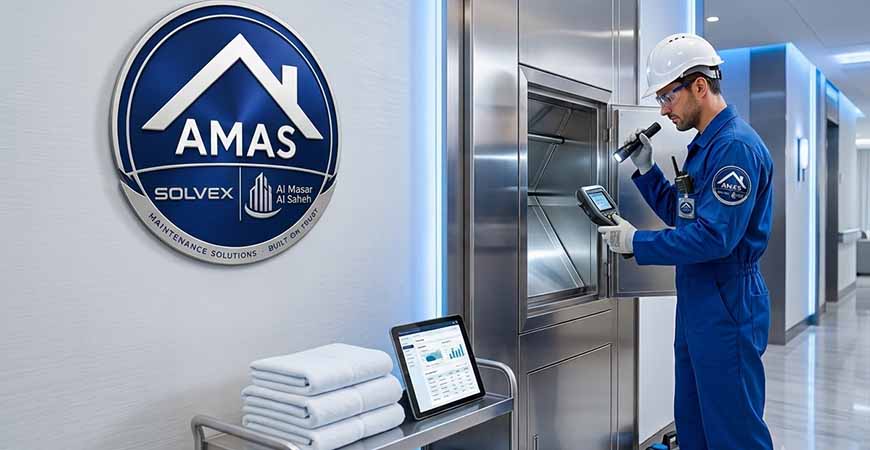
The Ultimate Guide to Linen Chute Maintenance
The Ultimate Guide to Linen Chute Maintenance: Ensuring Hygiene, Safety, and Long-Term Performance
Modern buildings rely on efficient systems that operate quietly behind the scenes to maintain cleanliness, streamline daily operations, and support occupant safety. Among these essential systems, the linen chute plays a critical role in hospitals, hotels, residential towers, healthcare facilities, and commercial properties where large volumes of linens must be transported quickly and hygienically.
Although a linen chute may appear to be a simple vertical shaft, it is actually a sophisticated component of a building's operational infrastructure. Every day, thousands of sheets, towels, uniforms, blankets, and other textiles move through these systems. Without regular maintenance, contaminants can accumulate, unpleasant odors can develop, mechanical components may wear out, and the overall efficiency of the system can decline significantly.
Professional Linen Chute Maintenance is therefore not simply a routine service it is an investment in hygiene, operational efficiency, fire safety, regulatory compliance, and long-term asset protection.
Whether you manage a luxury hotel, a modern hospital, a residential complex, or a commercial facility, understanding how to properly maintain your linen chute system can reduce unexpected failures, extend equipment life, improve staff productivity, and create a healthier environment for everyone using the building.
This comprehensive guide explains every aspect of professional linen chute maintenance from inspection and cleaning to preventive maintenance strategies, repair procedures, hygiene standards, and future innovations in smart building management.
What Is a Linen Chute System?
A Linen Chute System is a specially designed vertical transportation system that safely transfers used linens from multiple floors to a centralized laundry collection area. Instead of manually carrying heavy laundry carts through elevators and corridors, staff simply deposit linens through dedicated intake doors located on each floor.
Gravity allows the linen to travel efficiently through the enclosed shaft until it reaches the collection room at the bottom.
Unlike garbage chutes, linen chutes are specifically designed to transport washable textiles, including:
- Bed sheets
- Pillowcases
- Towels
- Hospital bedding
- Patient gowns
- Staff uniforms
- Blankets
- Table linens
- Laundry bags
- Cleaning cloths
Modern linen chute systems are manufactured using corrosion-resistant stainless steel or galvanized steel to provide durability, smooth operation, and hygienic performance.
Many systems also incorporate:
- Fire-rated intake doors
- Self-closing mechanisms
- Access panels
- Collection trolleys
- Odor-control accessories
- Ventilation systems
- Noise reduction insulation
- Safety interlocks
- Automatic discharge doors
These components work together to provide safe and efficient linen transportation while minimizing contamination risks.
How Linen Chute Systems Work
Although the concept is straightforward, a professionally engineered laundry chute system incorporates numerous safety and operational features.
Step 1: Linen Collection
Staff place used linens inside designated intake doors located throughout the building.
The doors are engineered with self-closing mechanisms that help prevent fire spread, reduce odor escape, and maintain hygiene.
Step 2: Gravity Transport
After the door closes securely, gravity transports the laundry down the smooth interior shaft.
Because there are no moving conveyors inside most systems, the chute itself requires relatively low energy consumption while still providing fast transportation.
Step 3: Safe Collection
The linens accumulate inside specially designed collection carts or storage bins located in the laundry room.
Collection trolleys allow housekeeping or hospital staff to transport large volumes of laundry safely without excessive manual handling.
Step 4: Routine Cleaning
Once linens are removed, the chute should undergo scheduled cleaning and sanitization to eliminate:
- Dust
- Lint
- Moisture
- Mold spores
- Bacteria
- Biofilm
- Odor-causing microorganisms
This cleaning process is one of the most important aspects of preventive maintenance.
Why Linen Chute Maintenance Is Essential
Many building owners mistakenly believe that because linen chutes contain only washable textiles, they require little maintenance. In reality, linen chutes operate continuously and are exposed to dust, fibers, moisture, and microorganisms that can compromise hygiene and performance over time.
Neglecting routine maintenance can lead to a range of operational and health-related issues, including unpleasant odors, bacterial growth, blocked shafts, damaged doors, and increased fire risks. Regular maintenance helps identify these problems early, reducing the likelihood of costly repairs or unexpected downtime.
Protecting Hygiene Standards
Hospitals, hotels, and healthcare facilities must maintain strict hygiene standards. Used linens often contain moisture, dust, body fluids, skin particles, and other contaminants. Without scheduled cleaning and sanitization, these materials can accumulate inside the chute and create an environment where bacteria, mold, and unpleasant odors thrive.
Routine Linen Chute Cleaning and sanitization significantly reduce microbial contamination and support a healthier indoor environment.
Improving Operational Efficiency
A well-maintained chute allows housekeeping and facility teams to move laundry quickly and safely. Smooth interior surfaces, properly aligned intake doors, and functioning discharge mechanisms minimize delays and ensure uninterrupted daily operations.
Reducing Repair Costs
Preventive maintenance identifies worn components before they fail. Replacing a damaged hinge, latch, or gasket during a scheduled inspection is far less expensive than responding to an emergency shutdown caused by a major mechanical failure.
Enhancing Fire Safety
Most linen chutes are integrated into a building’s passive fire protection strategy. Fire-rated doors, automatic closing devices, and properly sealed shafts help limit the spread of smoke and flames between floors. Regular inspections ensure these critical safety features remain fully operational.
Supporting Regulatory Compliance
Healthcare facilities, hotels, and commercial buildings are often subject to local regulations and internal safety policies. Documented maintenance records, inspection reports, and cleaning schedules demonstrate a proactive approach to compliance and risk management.
Key Benefits of Preventive Maintenance
Preventive Maintenance is a planned, systematic approach to servicing equipment before problems occur. Rather than waiting for failures, facility managers schedule inspections, cleaning, adjustments, and minor repairs at regular intervals to keep the system operating at peak performance.
For linen chute systems, preventive maintenance delivers measurable operational, financial, and safety benefits.
Improved Hygiene and Infection Control
Routine sanitization removes lint, dust, bacteria, mold spores, and organic residue that can accumulate inside the chute. This is especially important in hospitals and healthcare facilities where infection prevention is a top priority.
Extended Equipment Lifespan
Regular servicing reduces wear on doors, hinges, rollers, latches, discharge mechanisms, and structural components. Proper lubrication, alignment, and timely replacement of worn parts can significantly extend the life of the entire system.
Lower Operating Costs
Preventive maintenance reduces emergency repair expenses, minimizes downtime, and helps avoid costly component replacements. It also allows maintenance teams to plan budgets more effectively by addressing small issues before they become major problems.
Enhanced Safety for Building Occupants
Properly functioning fire-rated doors, secure locking mechanisms, and unobstructed shafts contribute to a safer environment for staff, residents, patients, and visitors. Scheduled inspections help verify that all safety features continue to perform as intended.
Increased Operational Reliability
A well-maintained linen chute system operates consistently, reducing disruptions to housekeeping and laundry workflows. This reliability improves productivity, particularly in high-demand environments such as hospitals, hotels, and large residential towers.
Better Asset Management
Detailed maintenance records provide valuable insights into equipment condition, service history, and component performance. Facility managers can use this information to plan future upgrades, optimize maintenance schedules, and maximize return on investment.
Environmental Benefits
Efficiently maintained systems often require fewer emergency repairs and component replacements, reducing material waste. Clean, unobstructed chutes also support smoother laundry operations, helping facilities optimize resource use and reduce unnecessary energy consumption.
By adopting a proactive preventive maintenance program, building owners not only protect their investment but also create a cleaner, safer, and more efficient environment for everyone who depends on the linen chute system each day.
Common Linen Chute Problems
Even the highest-quality linen chute systems require regular attention to remain safe, hygienic, and efficient. Continuous daily use, combined with moisture, lint, dust, and heavy linen loads, naturally leads to wear and tear over time. Without a structured Linen Chute Maintenance program, seemingly minor issues can quickly escalate into costly repairs or operational disruptions.
Understanding the most common problems enables facility managers to address them proactively before they affect building operations.
1. Lint and Dust Accumulation
Lint is one of the most common contaminants found inside laundry chute systems. Every sheet, towel, blanket, and uniform releases tiny fibers during transport. Over weeks and months, these fibers accumulate along the chute walls, intake doors, and discharge area.
Excessive lint buildup can:
-
Restrict airflow
-
Create unpleasant odors
-
Increase cleaning requirements
-
Reduce system efficiency
-
Contribute to fire hazards when combined with heat sources
Routine Linen Chute Cleaning is the most effective way to prevent excessive lint accumulation.
2. Persistent Unpleasant Odors
A properly maintained linen chute should not produce strong odors. However, when moisture, soiled textiles, and organic residues remain inside the shaft for extended periods, bacteria begin to multiply rapidly.
Common causes include:
-
Damp laundry
-
Delayed linen collection
-
Poor ventilation
-
Lack of sanitization
-
Biofilm development
-
Mold growth
Professional deodorizing and sanitization eliminate odor-causing microorganisms rather than simply masking the smell.
3. Door Alignment Problems
Intake doors are among the most frequently used components of the system. After thousands of opening and closing cycles, hinges, latches, and closing mechanisms may become misaligned.
Typical symptoms include:
-
Doors not closing completely
-
Difficulty opening
-
Loose hinges
-
Excessive gaps around door frames
-
Worn locking mechanisms
Misaligned doors compromise both hygiene and fire safety, making timely adjustments essential.
4. Damaged Fire-Rated Doors
Fire-rated intake doors are designed to prevent flames and smoke from spreading between floors. If these doors become damaged, warped, or fail to close automatically, the building's passive fire protection system may be compromised.
Routine inspections verify:
-
Door integrity
-
Self-closing performance
-
Fire seals
-
Hinges
-
Locking mechanisms
-
Frame condition
5. Corrosion and Rust
Although modern chute systems are typically manufactured from stainless or galvanized steel, exposure to moisture and harsh cleaning chemicals can eventually lead to corrosion if maintenance is neglected.
Early signs include:
-
Surface discoloration
-
Rust spots
-
Pitting
-
Rough interior surfaces
-
Structural weakening
Addressing corrosion early significantly extends the service life of the chute.
6. Structural Damage
Years of heavy use may result in dents, loose supports, damaged joints, or worn interior surfaces. Structural defects can obstruct linen movement and reduce the efficiency of the entire system.
Professional inspections help detect these issues before they become serious.
7. Discharge Door Malfunctions
The discharge door located at the base of the chute must operate smoothly to allow safe removal of collected linens.
Common issues include:
-
Jammed mechanisms
-
Damaged hinges
-
Broken springs
-
Improper sealing
-
Mechanical wear
Ignoring these problems may interrupt laundry operations and increase manual handling risks.
8. Collection Trolley Damage
Collection carts endure significant daily use. Wheels, handles, locking mechanisms, and structural frames gradually wear out.
Routine servicing includes checking:
-
Wheel movement
-
Frame integrity
-
Brake systems
-
Handles
-
Capacity
-
Overall cleanliness
Warning Signs That Maintenance Is Required
Many chute failures develop gradually rather than occurring suddenly. Recognizing early warning signs allows maintenance teams to intervene before operational efficiency is affected.
Facility managers should never ignore the following indicators.
Unusual Odors
Persistent unpleasant smells usually indicate bacterial growth, trapped moisture, or accumulated organic material inside the chute.
Professional cleaning and sanitization should be scheduled immediately.
Doors That Do Not Close Properly
Fire-rated doors must close automatically every time they are used.
Any of the following require prompt inspection:
-
Slow closing
-
Incomplete closure
-
Loose hinges
-
Damaged latches
-
Broken springs
Increased Noise During Operation
A linen chute normally operates quietly. New scraping, banging, rattling, or vibration noises often indicate loose components or structural damage.
Slow Linen Movement
When laundry no longer travels smoothly through the shaft, the cause may include:
-
Interior obstructions
-
Misaligned sections
-
Damaged surfaces
-
Excessive lint buildup
Prompt inspection prevents complete blockages.
Visible Rust or Corrosion
Even minor corrosion should never be ignored. Surface rust can spread quickly if left untreated.
Preventive maintenance includes cleaning affected areas, protective treatments, and replacement of severely damaged components.
Water Stains or Moisture
Moisture encourages bacterial growth, mold formation, and material deterioration.
Sources may include:
-
Condensation
-
Roof leaks
-
Plumbing leaks
-
Wet laundry
-
Poor ventilation
Frequent User Complaints
Housekeeping staff often identify operational problems before maintenance teams.
Common complaints include:
-
Doors sticking
-
Strong odors
-
Difficult operation
-
Noise
-
Slow laundry movement
Listening to frontline staff helps detect problems early.
Professional Inspection Procedures
A professional Linen Chute Inspection goes far beyond a simple visual assessment. Experienced technicians follow a systematic process to evaluate hygiene, structural integrity, mechanical performance, and safety compliance.
Comprehensive inspections typically include the following steps.
Visual Structural Assessment
Technicians inspect the entire chute system for:
-
Surface damage
-
Corrosion
-
Dents
-
Loose joints
-
Structural deformation
-
Shaft alignment
Even small defects are documented before they worsen.
Fire Door Inspection
Each intake door is checked for:
-
Proper alignment
-
Automatic closing
-
Hinge wear
-
Lock performance
-
Fire seal condition
-
Door frame integrity
These inspections are essential for maintaining passive fire protection.
Interior Shaft Inspection
Using specialized inspection cameras and lighting equipment, technicians examine the inside of the shaft for:
-
Lint accumulation
-
Obstructions
-
Moisture
-
Rust
-
Surface wear
-
Foreign objects
Video inspections provide accurate documentation without requiring major system disassembly.
Mechanical Component Testing
Moving components receive detailed evaluation, including:
-
Springs
-
Hinges
-
Rollers
-
Locks
-
Handles
-
Closing devices
Any signs of excessive wear are recorded for replacement planning.
Ventilation Assessment
Proper ventilation reduces humidity and odor buildup.
Technicians verify:
-
Airflow
-
Vent openings
-
Exhaust functionality
-
Moisture levels
Safety Compliance Review
Professional maintenance providers compare system condition against applicable building regulations and internal maintenance standards.
Inspection reports often include:
-
Photographs
-
Risk assessments
-
Maintenance recommendations
-
Priority classifications
-
Repair estimates
-
Service history updates
Detailed documentation helps facility managers make informed maintenance decisions.
Cleaning and Sanitization Process
Cleaning a linen chute involves much more than removing visible dust. Effective sanitation targets microorganisms, biofilm, mold spores, lint, and contaminants that accumulate throughout the system.
Professional Linen Chute Cleaning follows a structured multi-step process.
Step 1: Initial Inspection
Technicians inspect the chute before cleaning begins to identify contamination levels, damage, and any areas requiring special attention.
Step 2: Dry Debris Removal
Loose lint, dust, fibers, and debris are removed using industrial vacuum systems and specialized brushes designed for vertical shafts.
This prevents contaminants from spreading during wet cleaning.
Step 3: Deep Cleaning
Approved cleaning agents are applied to interior surfaces to remove accumulated dirt, grease, and organic residue.
The cleaning process reaches:
-
Interior shaft walls
-
Intake doors
-
Discharge doors
-
Access panels
-
Collection room surfaces
Step 4: Sanitization
Hospital-grade disinfectants are applied to eliminate bacteria, viruses, fungi, and odor-causing microorganisms.
This step is especially critical in healthcare facilities where infection control is a priority.
Step 5: Odor Neutralization
Professional odor-neutralizing treatments eliminate the source of unpleasant smells rather than masking them with fragrances.
Step 6: Drying and Final Inspection
After sanitization, technicians ensure all surfaces are properly dried to prevent moisture-related issues before conducting a final inspection and confirming the system is ready for operation.
Fire Safety Requirements
Linen chutes are considered vertical openings within buildings, making fire protection an essential part of system design and maintenance. If not properly maintained, a chute can allow smoke and flames to spread rapidly between floors during an emergency.
Routine maintenance helps ensure every fire safety component performs as intended.
Key fire safety requirements include:
-
Fire-rated intake doors that close automatically after each use.
-
Intact fire and smoke seals around doors and frames.
-
Regular testing of self-closing mechanisms.
-
Inspection of hinges, latches, and locking systems.
-
Verification that the shaft remains free from obstructions and combustible lint buildup.
-
Immediate repair or replacement of damaged fire-rated components.
-
Documentation of inspections and maintenance activities for compliance purposes.
By integrating fire safety checks into every preventive maintenance visit, facility managers significantly reduce fire risks while supporting overall building safety.
Infection Control and Hygiene Standards
In environments such as hospitals, clinics, hotels, and long-term care facilities, linen chutes are directly connected to infection prevention strategies. Used linens may carry bacteria, viruses, fungi, allergens, and organic contaminants that can spread if systems are neglected.
An effective hygiene program should include:
-
Scheduled cleaning and sanitization using approved disinfectants.
-
Routine microbiological risk assessments where required.
-
Strict separation of clean and soiled linen workflows.
-
Immediate removal of accumulated laundry from collection areas.
-
Staff training on proper linen handling procedures.
-
Monitoring for moisture, mold, and microbial growth.
-
Comprehensive maintenance records to demonstrate compliance with internal hygiene protocols and health regulations.
When cleaning, inspection, and preventive maintenance are performed consistently, linen chute systems remain reliable, hygienic, and safe supporting healthier environments for patients, guests, employees, and building occupants alike.
Hospital Linen Chute Maintenance Best Practices
Hospitals operate around the clock, generating a continuous flow of soiled linens from patient rooms, operating theatres, emergency departments, intensive care units, laboratories, and outpatient clinics. In such environments, a linen chute is far more than a convenience it is an essential component of infection prevention, operational efficiency, and patient safety.
Because hospital linen may be contaminated with blood, bodily fluids, pharmaceuticals, or infectious materials, maintenance must follow strict hygiene protocols and internationally recognized healthcare practices.
Develop a Preventive Maintenance Program
A planned maintenance program should include:
-
Scheduled inspections
-
Routine deep cleaning
-
Hospital-grade sanitization
-
Fire door testing
-
Mechanical servicing
-
Documentation of all maintenance activities
Preventive maintenance minimizes unexpected failures while helping healthcare facilities maintain continuous operations.
Perform Frequent Sanitization
Unlike residential or commercial buildings, hospitals require significantly more frequent cleaning due to higher contamination risks.
Professional sanitization should remove:
-
Harmful bacteria
-
Viruses
-
Mold spores
-
Biofilm
-
Organic residue
-
Odor-causing microorganisms
Using healthcare-approved disinfectants ensures effective microbial control without damaging chute components.
Separate Contaminated Linen
Hospital procedures should clearly distinguish between standard laundry and infectious linen.
Best practices include:
-
Clearly labeled linen bags
-
Dedicated collection procedures
-
Staff training
-
Infection control protocols
-
Proper PPE usage
-
Safe transport procedures
These measures reduce cross-contamination and improve workplace safety.
Inspect Fire Protection Components
Hospitals often accommodate vulnerable patients who cannot evacuate quickly during emergencies.
Routine inspections should verify:
-
Fire-rated intake doors
-
Self-closing mechanisms
-
Smoke seals
-
Door alignment
-
Locking systems
Maintaining these components is essential for life safety.
Maintain Detailed Service Records
Accurate documentation supports:
-
Regulatory inspections
-
Infection control audits
-
Maintenance planning
-
Budget forecasting
-
Asset management
Professional service reports should include photographs, inspection findings, corrective actions, and future recommendations.
Hotel Linen Chute Maintenance Best Practices
Hotels process enormous quantities of towels, sheets, pillowcases, robes, uniforms, and table linens every day. Efficient laundry handling directly affects housekeeping productivity, guest satisfaction, and operational costs.
Regular Laundry Chute Maintenance helps hotels maintain smooth daily operations while protecting both staff and guests.
Schedule Maintenance During Low Occupancy
Whenever possible, inspections and servicing should be performed during periods of reduced occupancy to minimize disruption.
Proper planning allows maintenance teams to work efficiently without affecting guest comfort.
Prevent Odors Before They Develop
Guests expect clean, fresh environments. Even minor odors near housekeeping areas can negatively influence guest perceptions.
Preventive odor control includes:
-
Routine sanitization
-
Moisture control
-
Adequate ventilation
-
Prompt linen collection
-
Deep cleaning of the shaft
Train Housekeeping Staff
Housekeeping teams use the chute system every day and are often the first to notice operational issues.
Training should include:
-
Correct loading procedures
-
Door operation
-
Reporting unusual sounds
-
Identifying odors
-
Avoiding oversized linen bundles
-
Recognizing safety concerns
Early reporting significantly reduces repair costs.
Inspect Collection Rooms
The laundry collection area requires the same level of attention as the chute itself.
Routine inspections should verify:
-
Cleanliness
-
Ventilation
-
Drainage
-
Lighting
-
Trolley condition
-
Pest prevention
Maintaining an organized collection room supports efficient laundry operations.
Review Maintenance Performance Regularly
Facility managers should evaluate maintenance reports to identify recurring issues and optimize preventive maintenance schedules.
Performance indicators may include:
-
Number of repairs
-
Response times
-
Downtime
-
Cleaning frequency
-
Equipment condition
-
Service history
Continuous improvement contributes to better operational efficiency and longer equipment life.
Spare Parts That Commonly Require Replacement
Like any frequently used building system, linen chutes contain components that naturally wear over time. Replacing these parts before failure helps maintain safety, hygiene, and operational reliability.
Door Hinges
Thousands of opening and closing cycles eventually wear hinge assemblies.
Replacement may be required if doors:
-
Sag
-
Bind
-
Produce excessive noise
-
Fail to align properly
Self-Closing Devices
Automatic closing mechanisms are critical for fire safety.
Technicians routinely inspect:
-
Spring tension
-
Closing speed
-
Hydraulic dampers
-
Mechanical arms
Faulty closers should be replaced immediately.
Door Latches
Secure latching ensures doors remain tightly closed during normal operation.
Common issues include:
-
Loose catches
-
Worn locking surfaces
-
Broken handles
-
Misalignment
Fire Seals
Heat and smoke seals deteriorate with age.
Damaged seals reduce fire resistance and should always be replaced using approved materials.
Gaskets
Door gaskets contribute to:
-
Odor control
-
Dust containment
-
Noise reduction
Cracked or compressed gaskets compromise system performance.
Rollers and Wheels
Collection trolleys rely on durable wheels for safe transportation.
Routine replacement improves:
-
Maneuverability
-
Worker safety
-
Operational efficiency
Collection Bags and Trolleys
Fabric bags, carts, and containers experience daily wear.
Routine inspection identifies:
-
Tears
-
Broken frames
-
Damaged wheels
-
Corrosion
-
Structural weakness
Fasteners and Mounting Hardware
Loose bolts, brackets, and anchors may gradually affect structural stability.
Technicians verify all mounting hardware during scheduled inspections.
Preventive Maintenance Schedule
A structured maintenance schedule is the foundation of reliable linen chute performance. Rather than reacting to breakdowns, proactive servicing helps facilities reduce downtime, control costs, and maintain high standards of hygiene and safety.
The following schedule is recommended for most commercial facilities. However, hospitals and high-occupancy hotels may require more frequent servicing based on operational demands.
Daily
Housekeeping or maintenance staff should:
-
Check intake doors for proper operation.
-
Ensure no visible obstructions are present.
-
Remove laundry promptly from collection areas.
-
Report unusual noises, odors, or damage.
Weekly
Routine weekly tasks include:
-
Cleaning door surfaces.
-
Inspecting collection carts.
-
Checking for loose hardware.
-
Verifying that doors close completely.
Monthly
Monthly inspections should include:
-
Mechanical component testing.
-
Inspection of hinges and latches.
-
Basic lubrication where appropriate.
-
Interior visual inspection.
-
Ventilation checks.
Quarterly
Professional service providers should perform:
-
Deep cleaning.
-
Complete sanitization.
-
Fire door inspection.
-
Mechanical adjustments.
-
Structural assessment.
-
Maintenance documentation.
Every Six Months
A comprehensive inspection should evaluate:
-
Overall system performance.
-
Corrosion levels.
-
Component wear.
-
Door alignment.
-
Fire protection features.
-
Collection room condition.
Annually
An annual preventive maintenance program should include:
-
Full technical inspection.
-
Comprehensive cleaning and disinfection.
-
Replacement of worn components.
-
Detailed condition report.
-
Budget recommendations for future upgrades.
-
Review of maintenance history and compliance records.
Facilities with heavy daily usage may benefit from customized maintenance intervals tailored to their operational needs.
Emergency Repair Services
Even with an effective preventive maintenance program, unexpected issues can occasionally occur. Rapid response is essential to minimize disruption and restore safe operation as quickly as possible.
Professional emergency repair services should be available for:
-
Jammed intake doors.
-
Broken discharge mechanisms.
-
Fire door failures.
-
Structural damage.
-
Blocked shafts.
-
Mechanical malfunctions.
-
Damaged collection systems.
-
Safety-related defects.
Experienced technicians should arrive equipped with common replacement parts and specialized tools, enabling many issues to be resolved during the initial visit.
Emergency repairs typically begin with a comprehensive assessment to determine the root cause of the problem. Rather than addressing only the visible symptom, qualified technicians inspect the entire system to identify any underlying issues that may have contributed to the failure.
Following repairs, the chute should be tested thoroughly to confirm:
-
Safe operation.
-
Proper door alignment.
-
Reliable self-closing performance.
-
Secure locking.
-
Smooth linen movement.
-
Compliance with applicable safety requirements.
A detailed service report should document the repair, replaced components, corrective actions, and recommendations to prevent similar issues in the future.
How to Extend the Lifespan of a Linen Chute System
A professionally installed linen chute can provide decades of reliable service when supported by consistent preventive maintenance. Extending the lifespan of the system is not simply about avoiding breakdowns it also protects the building owner's investment and ensures uninterrupted daily operations.
Schedule Regular Professional Maintenance
Routine inspections by experienced technicians allow small issues to be corrected before they develop into major failures.
Clean and Sanitize Frequently
Regular cleaning prevents lint buildup, bacterial growth, corrosion, and unpleasant odors while maintaining hygienic conditions.
Avoid Overloading the Chute
Oversized or tightly packed linen bundles may become lodged inside the shaft, placing unnecessary stress on doors and structural components.
Staff should follow recommended loading procedures at all times.
Replace Worn Components Promptly
Delaying the replacement of damaged hinges, latches, seals, or closers often leads to additional wear on surrounding components.
Timely replacement reduces long-term maintenance costs.
Train Building Staff
Operators who understand correct usage help prevent avoidable damage.
Training should emphasize:
-
Safe loading practices.
-
Reporting defects promptly.
-
Proper door operation.
-
Daily visual inspections.
-
Good housekeeping procedures.
Maintain Accurate Records
Detailed maintenance logs provide valuable information about equipment condition, service history, recurring issues, and future budgeting needs.
These records support informed decision-making and improve long-term asset management.
Partner With Qualified Specialists
Perhaps the most important factor in maximizing system lifespan is selecting an experienced maintenance provider with expertise in linen chute systems. Qualified specialists use appropriate inspection methods, approved cleaning products, genuine replacement parts, and preventive maintenance strategies tailored to the specific needs of each facility.
With consistent professional care, a linen chute system can continue to deliver safe, hygienic, and reliable performance for many years while supporting efficient building operations and reducing the total cost of ownership.
Choosing the Right Linen Chute Maintenance Company
Selecting a qualified Linen Chute Maintenance provider is one of the most important decisions a facility manager can make. While many general maintenance contractors offer basic cleaning or repair services, maintaining a commercial linen chute system requires specialized technical knowledge, industry experience, and a thorough understanding of hygiene, fire safety, and preventive maintenance practices.
Choosing the right partner is not simply about comparing prices. It is about ensuring long-term reliability, regulatory compliance, and protecting one of the building’s essential operational systems.
Look for Specialized Experience
Linen chute systems are found in hospitals, hotels, residential towers, commercial buildings, and healthcare facilities, each with unique operational requirements. A maintenance company should have proven experience working across these environments and understand the challenges associated with high-usage laundry systems.
Experienced technicians are more likely to identify hidden issues, recommend practical solutions, and implement repairs that extend the lifespan of the equipment.
Verify Technical Expertise
Professional service providers should be capable of handling every aspect of a linen chute system, including:
-
Preventive maintenance
-
Emergency repairs
-
Mechanical adjustments
-
Fire-rated door servicing
-
Deep cleaning and sanitization
-
Component replacement
-
Performance testing
-
Technical inspections
-
System upgrades
A comprehensive service offering reduces the need to coordinate multiple contractors and ensures consistent maintenance standards.
Prioritize Preventive Maintenance
Reactive repairs can be costly and disruptive. Companies that emphasize preventive maintenance help facilities avoid unexpected failures by identifying wear, contamination, and mechanical issues before they become serious.
A structured maintenance program should include:
-
Scheduled inspections
-
Detailed service reports
-
Cleaning and sanitization
-
Lubrication and adjustments
-
Replacement of worn components
-
Fire safety verification
-
Recommendations for future improvements
This proactive approach reduces downtime and supports long-term operational efficiency.
Evaluate Inspection and Reporting Standards
Comprehensive inspection reports provide valuable insight into the condition of the system and assist with budgeting and asset management.
High-quality reports should include:
-
Detailed observations
-
Photographic documentation
-
Identified defects
-
Risk assessments
-
Recommended corrective actions
-
Prioritized maintenance tasks
-
Service history records
Clear documentation demonstrates professionalism and supports informed decision-making.
Ensure Compliance with Health and Safety Standards
Maintenance providers should perform all work in accordance with recognized health, hygiene, and fire safety practices. This includes using approved cleaning products, following safe work procedures, and ensuring that fire-rated components remain fully functional after servicing.
Compliance is especially important in hospitals, hotels, and high-rise residential buildings where safety and hygiene are critical.
Consider Response Time and Ongoing Support
Unexpected issues can arise despite regular maintenance. Choosing a company that offers responsive technical support and emergency repair services helps minimize downtime and ensures that operational disruptions are resolved quickly.
Reliable communication, flexible scheduling, and ongoing technical guidance are key indicators of a dependable maintenance partner.
About AMAS SOLVEX & Al Masar Al Saheh
Maintaining a linen chute system requires more than routine servicing it demands technical expertise, attention to detail, and a commitment to delivering safe, hygienic, and reliable building solutions. Across the UAE and GCC, AMAS SOLVEX and Al Masar Al Saheh have established themselves as trusted specialists in facility maintenance, providing comprehensive services that support the long-term performance of critical building systems.
With extensive experience serving hospitals, hotels, residential towers, commercial complexes, and institutional facilities, the companies deliver tailored maintenance solutions designed to meet the operational needs of each client.
Comprehensive Linen Chute Services
AMAS SOLVEX and Al Masar Al Saheh provide a complete range of professional services, including:
-
Linen Chute Maintenance
-
Linen Chute Repair
-
Linen Chute Inspection
-
Linen Chute Cleaning
-
Preventive Maintenance Programs
-
Emergency Repair Services
-
Technical Troubleshooting
-
Component Replacement
-
Performance Assessments
-
System Upgrades and Modernization
Each service is performed using structured maintenance procedures that prioritize safety, hygiene, and long-term reliability.
Experienced Technical Teams
Behind every successful maintenance program is a team of skilled professionals. The technicians at AMAS SOLVEX and Al Masar Al Saheh are trained to inspect, diagnose, and maintain complex linen chute systems with precision and efficiency.
Their technical approach focuses on identifying the root causes of issues rather than simply addressing visible symptoms. This proactive methodology helps reduce repeat failures and improves overall system performance.
Modern Equipment and Inspection Technology
Accurate diagnostics are essential for effective maintenance. By utilizing modern inspection equipment and specialized tools, technicians can assess the condition of chute systems in greater detail, allowing maintenance activities to be planned more efficiently and with minimal disruption to daily operations.
Advanced inspection techniques also support more accurate reporting and facilitate preventive maintenance planning.
Preventive Maintenance Programs
One of the core strengths of AMAS SOLVEX and Al Masar Al Saheh is the development of customized preventive maintenance programs. These schedules are designed around the operational demands of each facility, ensuring that inspections, cleaning, adjustments, and component replacements are carried out before problems affect building performance.
Preventive maintenance not only extends equipment lifespan but also reduces operating costs and improves service reliability.
Commitment to Health, Safety, and Quality
Every maintenance activity is performed with a strong emphasis on hygiene, workplace safety, and quality assurance. The companies follow recognized industry practices to help clients maintain clean and dependable linen chute systems while supporting broader facility management objectives.
This commitment is particularly valuable for healthcare facilities, hospitality environments, and high-occupancy buildings where cleanliness and operational continuity are essential.
Supporting Facilities Across the UAE and GCC
From luxury hotels and modern hospitals to residential developments and commercial properties, AMAS SOLVEX and Al Masar Al Saheh work closely with facility managers, engineers, and property owners to deliver dependable maintenance solutions.
By combining technical expertise, responsive support, and carefully planned maintenance strategies, the companies help clients reduce operational risks, improve system reliability, and protect long-term investments.
Future Trends in Smart Linen Management Systems
As buildings become increasingly intelligent, linen management systems are evolving beyond traditional gravity-based transport. Digital technologies, automation, and data-driven maintenance strategies are transforming how facility managers monitor and maintain these systems.
Understanding these emerging trends enables organizations to plan for future upgrades and improve operational efficiency.
Predictive Maintenance
Predictive maintenance uses performance data, equipment history, and condition monitoring to identify potential failures before they occur.
Instead of relying solely on fixed maintenance intervals, facility managers can schedule servicing based on the actual condition of the equipment, reducing unnecessary maintenance while minimizing the risk of unexpected breakdowns.
Smart Monitoring Sensors
Modern sensors can monitor:
-
Door usage frequency
-
Mechanical wear
-
Temperature
-
Humidity
-
Vibration
-
Air quality
-
Operational status
These insights provide maintenance teams with real-time information that supports faster decision-making and more effective preventive maintenance.
Integration with Building Management Systems
Advanced linen chute systems are increasingly being integrated into Building Management Systems (BMS), allowing facility managers to monitor multiple building services through a centralized platform.
This integration improves visibility, simplifies maintenance planning, and enhances overall operational efficiency.
Digital Maintenance Records
Paper-based maintenance logs are gradually being replaced by digital asset management systems.
Electronic maintenance records provide:
-
Instant access to service history
-
Inspection reports
-
Photographs
-
Replacement records
-
Performance trends
-
Maintenance scheduling
Digital documentation improves transparency and supports long-term asset management.
Sustainability and Environmental Responsibility
Sustainability continues to influence building maintenance practices. Future linen chute systems are expected to incorporate:
-
More durable materials
-
Improved corrosion resistance
-
Low-maintenance components
-
Environmentally responsible cleaning products
-
Energy-efficient ventilation solutions
-
Longer service intervals through improved engineering
These innovations contribute to lower lifecycle costs while supporting environmental objectives.
Conclusion
A well-maintained linen chute system is essential for maintaining hygiene, operational efficiency, and safety within hospitals, hotels, residential towers, and commercial buildings. Although the system often operates unnoticed in the background, its reliability has a direct impact on housekeeping productivity, infection control, regulatory compliance, and overall facility performance.
Regular inspections, professional cleaning, preventive maintenance, timely repairs, and periodic component replacement all play a vital role in ensuring that the system continues to operate efficiently throughout its service life.
Rather than waiting for failures to occur, building owners and facility managers should adopt a proactive maintenance strategy that identifies potential issues early, minimizes operational disruption, and protects valuable infrastructure.
By partnering with experienced specialists and implementing structured maintenance programs, organizations can extend equipment lifespan, reduce operating costs, improve safety standards, and maintain cleaner, healthier environments for staff, residents, patients, and guests.
As smart building technologies continue to advance, linen chute systems will become increasingly integrated into digital facility management strategies, enabling even greater efficiency, reliability, and long-term value.
Whether you manage a hospital, hotel, residential tower, or commercial facility, investing in professional Linen Chute Maintenance is one of the most effective ways to protect your building infrastructure and ensure uninterrupted daily operations.
AMAS SOLVEX and Al Masar Al Saheh provide comprehensive linen chute inspection, cleaning, repair, preventive maintenance, and technical support services throughout the UAE and GCC. With experienced technicians, modern inspection equipment, detailed reporting, and a commitment to quality, the companies help clients maintain safe, hygienic, and high-performing linen chute systems for years to come.
If you are looking to enhance system reliability, reduce maintenance costs, and maintain the highest standards of hygiene and safety, partnering with a trusted specialist is the first step toward achieving long-term operational excellence.
Frequently Asked Questions (FAQ)
1. How often should a linen chute be serviced?
The recommended service frequency depends on the type of facility and the volume of daily laundry. Hotels and residential buildings generally benefit from professional maintenance every three to six months, while hospitals and healthcare facilities often require monthly inspections and more frequent sanitization due to higher hygiene standards. A preventive maintenance program should always be tailored to the building's operational requirements.
2. What is Linen Chute Maintenance?
Linen Chute Maintenance is the process of inspecting, cleaning, sanitizing, repairing, and servicing a linen chute system to ensure safe, hygienic, and efficient operation. It includes preventive maintenance, mechanical adjustments, fire safety inspections, and the replacement of worn components when necessary.
3. How is a linen chute different from a garbage chute?
Although both systems use gravity to transport materials between floors, they serve different purposes. A linen chute is designed exclusively for transporting laundry such as sheets, towels, blankets, and uniforms, while a garbage chute is intended for waste disposal. Linen chutes require stricter hygiene practices because they handle reusable textiles.
4. Why is linen chute sanitization important?
Sanitization removes bacteria, viruses, mold spores, fungi, and odor-causing microorganisms that may accumulate inside the chute. Regular sanitization helps maintain healthy indoor environments and supports infection prevention, particularly in hospitals and healthcare facilities.
5. Can neglected linen chutes spread bacteria?
Yes. Without routine cleaning and sanitization, moisture, lint, and organic residue can encourage bacterial growth. A neglected chute may contribute to unpleasant odors and increase the risk of microbial contamination.
6. What maintenance is required in hospitals?
Hospital maintenance programs typically include frequent inspections, deep cleaning, hospital-grade disinfection, fire door testing, mechanical servicing, documentation, and compliance with infection control procedures.
7. What maintenance is required in hotels?
Hotels should focus on preventive maintenance, odor control, routine inspections, sanitization, collection room cleanliness, door adjustments, and regular servicing of moving components to ensure uninterrupted housekeeping operations.
8. What causes unpleasant odors inside a linen chute?
Odors usually result from moisture, soiled laundry, bacteria, mold, poor ventilation, delayed linen removal, or inadequate cleaning. Professional sanitization addresses the source of odors rather than masking them.
9. How does preventive maintenance reduce operating costs?
Preventive maintenance identifies small issues before they become major failures. This reduces emergency repairs, minimizes downtime, extends equipment life, improves operational efficiency, and lowers long-term maintenance expenses.
10. What are the most common linen chute failures?
Common failures include worn hinges, damaged fire-rated doors, faulty self-closing devices, blocked shafts, broken latches, corroded components, damaged discharge doors, and excessive lint accumulation.
11. How long does professional maintenance take?
Routine maintenance typically requires several hours, depending on the size of the system, the number of intake doors, and the level of cleaning required. Larger hospital systems may require additional time.
12. How often should professional inspections be performed?
Most commercial buildings should schedule professional inspections at least twice a year. High-usage facilities such as hospitals and large hotels may require quarterly or monthly inspections.
13. What safety standards should a linen chute meet?
A properly maintained system should include functioning fire-rated doors, self-closing mechanisms, secure latches, unobstructed shafts, proper ventilation, and regular inspections performed according to applicable building and fire safety regulations.
14. Can a linen chute become blocked?
Yes. Oversized laundry bags, damaged components, foreign objects, or excessive lint buildup may obstruct the chute. Proper loading procedures and preventive maintenance greatly reduce the likelihood of blockages.
15. What spare parts are commonly replaced?
Frequently replaced components include hinges, fire seals, self-closing devices, door latches, gaskets, rollers, collection trolley wheels, springs, handles, and mounting hardware.
16. Why are inspection reports important?
Inspection reports provide detailed information about equipment condition, maintenance history, identified defects, recommended repairs, and future maintenance priorities. They also support budgeting, compliance, and asset management.
17. Can regular maintenance improve building safety?
Absolutely. Routine servicing ensures that fire-rated doors operate correctly, mechanical components remain reliable, and hygiene standards are maintained, reducing both safety and operational risks.
18. Is professional cleaning better than routine housekeeping?
Yes. Routine housekeeping addresses only visible surfaces, while professional cleaning reaches the interior shaft, removes accumulated lint and biofilm, disinfects the system, and helps eliminate odor-causing microorganisms.
19. How long can a properly maintained linen chute last?
With quality installation and a structured preventive maintenance program, a commercial linen chute system can provide reliable service for several decades while maintaining safe and efficient operation.
20. Why should facilities choose experienced linen chute specialists?
Experienced specialists understand the technical, mechanical, hygiene, and fire safety requirements of commercial linen chute systems. Their expertise helps reduce operational risks, improve equipment reliability, extend system lifespan, and support compliance with industry standards.
Keep Your Facility Running at Its Best.
